

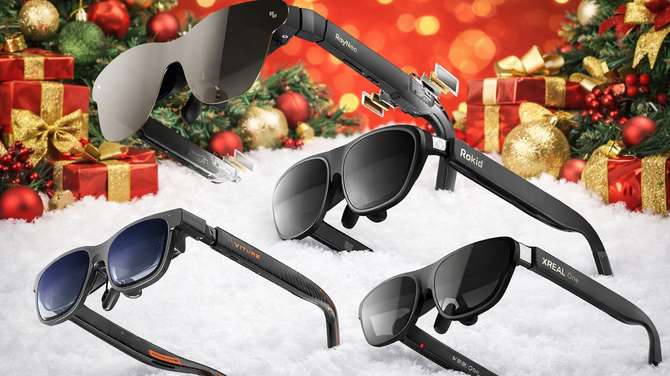
For years, AR glasses have felt like one of those future-facing tech categories that looked exciting but came with too many compromises: high prices, limited compatibility, or awkward setups. That’s starting to change. Heading into the holidays, prices are dropping, hardware is improving, and AR glasses are becoming far more practical as everyday devices for gaming, movie watching, and even light productivity.
At their core, consumer AR glasses act like wearable external displays. You plug them into a compatible phone, laptop, handheld console, or gaming device, and they project a large virtual screen that appears to float in front of you. For travelers, apartment dwellers, or anyone who wants a private big-screen experience without setting up a TV, that’s a compelling pitch.
These AR glasses include either electrochromic (electronically controlled) dimming – which uses an active film layer in the lenses to reduce ambient light and improve contrast – or physical lens shading to darken the lenses, which helps the virtual screen stand out more clearly in bright rooms or shared spaces.
If you’ve been holding off, this holiday season is one of the best times yet to jump in. Prices that once kept AR glasses firmly in niche territory have dropped by $100 to $200 on several popular models, and the technology has matured enough that setup and everyday use are far less intimidating.
Here’s a look at some of the most popular AR glasses available on Amazon right now, what makes each one stand out, and who they’re best suited for as a gift.
RayNeo Air 3S
Was $269.00, Now $219.00
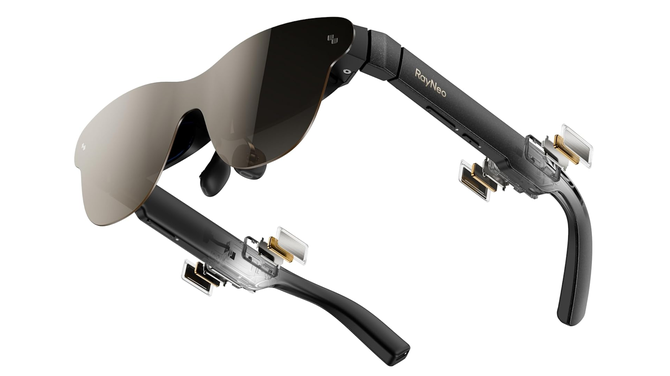
The RayNeo Air 3S is positioned as an accessible entry point into AR glasses, especially for gaming and streaming. It connects easily to handheld consoles, phones, and laptops, projecting a large virtual display without requiring a complicated setup.
These glasses emphasize comfort and simplicity, and are light enough to wear for extended gaming or movie sessions. While they don’t offer as many advanced features as some higher-end options, like myopia adjustments or electrochromic dimming, they cover the essentials well and tend to be priced more competitively, which matters for shoppers working within a budget.
Like several competitors, RayNeo relies on prescription inserts rather than built-in diopter adjustment, which is worth keeping in mind. Still, for users who already wear contacts or don’t need vision correction, that’s less of a drawback.
Best for: First-time AR buyers, gamers, and anyone looking for a more affordable way to experience virtual big-screen viewing.
Rokid Max 2
Was $429.00, Now $309.00
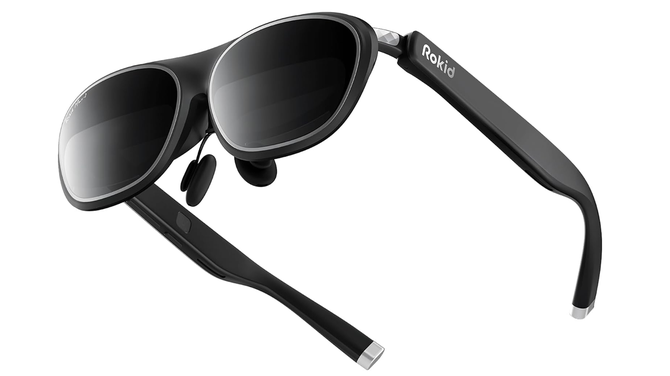
The Rokid Max 2 is designed for people who primarily want AR glasses for entertainment, especially watching movies or playing games on a virtual giant screen. Once connected to a compatible device, the glasses create the effect of a large display hovering comfortably in front of your eyes, making them useful for long flights, shared living spaces, or late-night viewing without disturbing others.
One of the Max 2’s biggest advantages is its built-in myopia adjustment. Instead of wearing prescription inserts or contact lenses, many users can dial in focus directly on the glasses themselves (from 0.00D to -6.00D). That makes Rokid especially appealing for gift recipients who wear glasses and for those who may be sharing the glasses with family members who have different vision correction needs. The display is bright, the image is sharp, and the glasses include a physical lens cover to completely block out surrounding light for better immersion.
Best for: Movie watching, console gaming, and users who want built-in vision adjustment without extra accessories.
Viture Luma
Was $499.00, Now $359.00
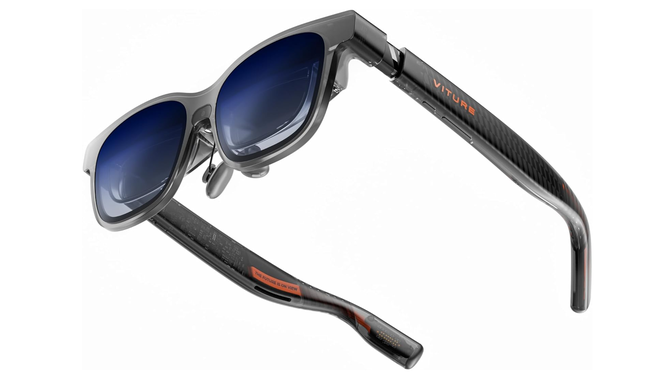
Viture’s Luma takes a slightly different approach by leaning heavily into comfort, polish, and ease of use – feeling less like experimental tech and more like refined consumer electronics, which makes them especially appealing as gifts.
The Luma delivers a sharp, bright virtual display with adjustable diopters for myopia correction (from 0.00D to -6.00D). This means many users can fine-tune focus without prescription inserts. The glasses also include strong electrochromic dimming support, helping isolate the virtual screen even in brighter environments.
Best for: Buyers who want a premium feel, built-in vision adjustment, and a polished experience that works well out of the box.
Buy on Amazon
Xreal One
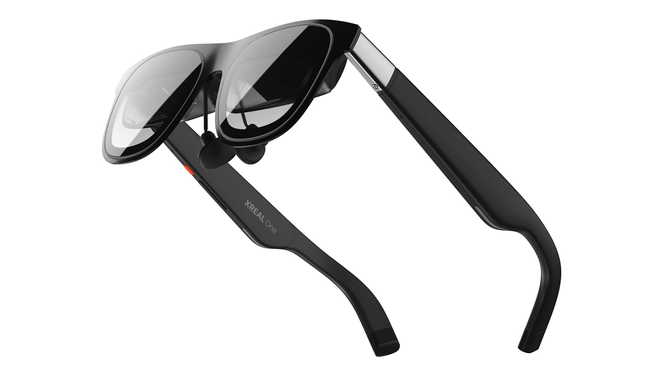
Was $499.00, Now $449.00
Xreal has become one of the most recognizable names in consumer AR glasses, and the One series reflects the brand’s focus on versatility. These glasses are built to work with a wide range of devices, including smartphones, laptops, gaming consoles, and handhelds like the Steam Deck, making them a flexible gift for tech-savvy users.
What sets Xreal apart is its broader ecosystem. Depending on the setup, users can create multi-window experiences for productivity, lock screens in place for light work, or simply use the glasses as a large personal display. Xreal glasses include electrochromic dimming, letting wearers dial in how much outside light is blocked.
Xreal glasses rely on prescription inserts rather than built-in focus dials, which is something buyers should factor in. On the plus side, the image quality is excellent, and the design remains lightweight enough for extended use.
Best for: Users who want flexibility across work and play, especially those interested in multitasking or productivity alongside entertainment.
What to consider before buying AR glasses as a gift
AR glasses are easier to recommend than ever, but there are a few things worth checking before you purchase. One of the most important is vision correction. Because AR glasses project an image directly in front of your eyes, users who are nearsighted may need a way to adjust focus. Nearsightedness, also called myopia, means distant objects appear blurry while close objects remain clear. Some AR glasses include built-in diopter adjustment, which lets users manually fine-tune focus without wearing prescription glasses or adding inserts. Others rely on optional prescription lens inserts that attach to the frame, which works well but adds an extra step and cost.
Another key factor is light control. AR glasses don’t block the outside world by default, so bright rooms, sunlight, or reflections can reduce image clarity. Many models include electrochromic dimming or physical lens shading that darkens the lenses, helping the virtual screen stand out more clearly. This is especially important for movie watching or gaming, where contrast and immersion make a big difference. Stronger dimming can make AR glasses feel more like a private cinema, even in shared or brightly lit spaces.
Compatibility is also worth checking. Most AR glasses connect through USB-C and work best with devices that support video output over that connection. This includes many smartphones, laptops, handheld gaming consoles, and tablets, but not every device supports it. Making sure the recipient already owns a compatible device helps avoid surprises after the gift is opened.
Finally, pricing has shifted noticeably this year. Many of these models launched at much higher prices, which made them feel experimental or niche. Holiday deals have brought them down to levels that make sense for gifting, especially for people who’ve been curious about AR glasses but waiting for the technology to feel more mature and affordable.
Read more: Rokid Launches AR Spatial Glasses with 300-Inch Virtual Display
Why AR glasses make a great gift
AR glasses are no longer just novelty tech. They’ve matured into practical tools for watching, playing, and even getting work done on a large virtual screen without needing extra space. With holiday pricing making them more accessible, they’re one of the more interesting gift options for gamers, frequent travelers, and anyone who loves experimenting with new ways to consume content.
Whether you’re buying for a hardcore gamer, a movie lover, or someone who wants a portable productivity setup, there’s now an AR option that fits. This season’s deals make it a smart time to finally try them.
[Image credit: RayNeo, Rokid, Viture, Xreal]

