

Image credit: Amazon
The Echo Spot ($109.99) has long been my recommendation for a smart alarm clock because of its compact size and affordable price. Now it has its first serious competition from Amazon's new Echo Time ($199.99), which costs $90 more but offers a larger display and a smart alarm designed to wake you during lighter sleep.
Amazon launched the Echo Time yesterday, and like the Spot it covers what you want from a smart bedside clock: alarms, music, weather, and voice control of compatible smart home devices. Both have a microphone off button and no camera, and Prime members get full Alexa+ access on either one.
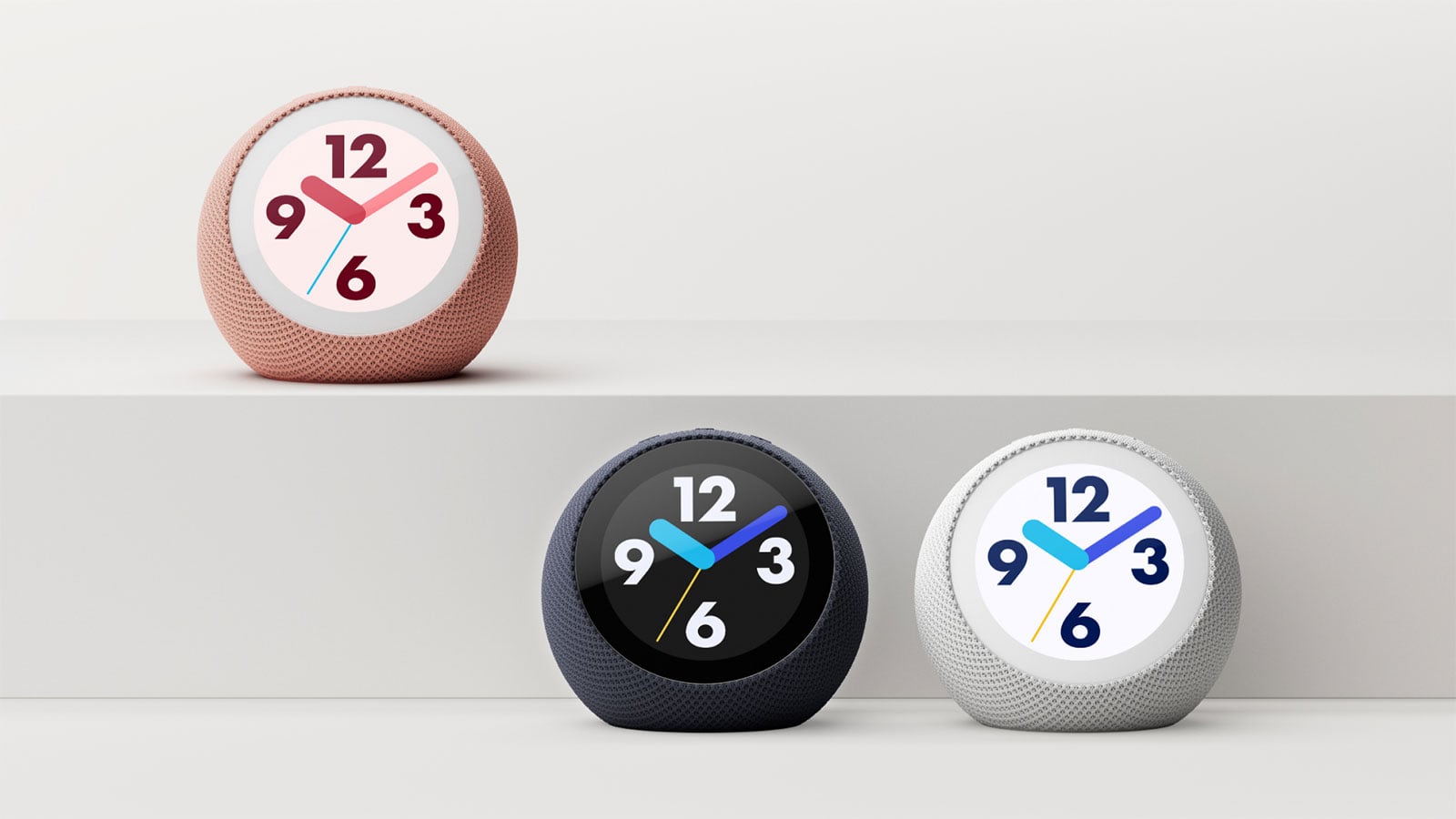
The Time is a sphere wrapped in 3D knit fabric, with a 3.2-inch circular touchscreen covering most of the front. To my eye, the Time looks more sophisticated than the Spot, which splits the front between its display and speaker. And with hundreds of clock faces to choose from, the Time is versatile enough to match most decor. And unlike the Spot, the Time lets you set alarms directly on the touchscreen, without having to talk to Alexa.
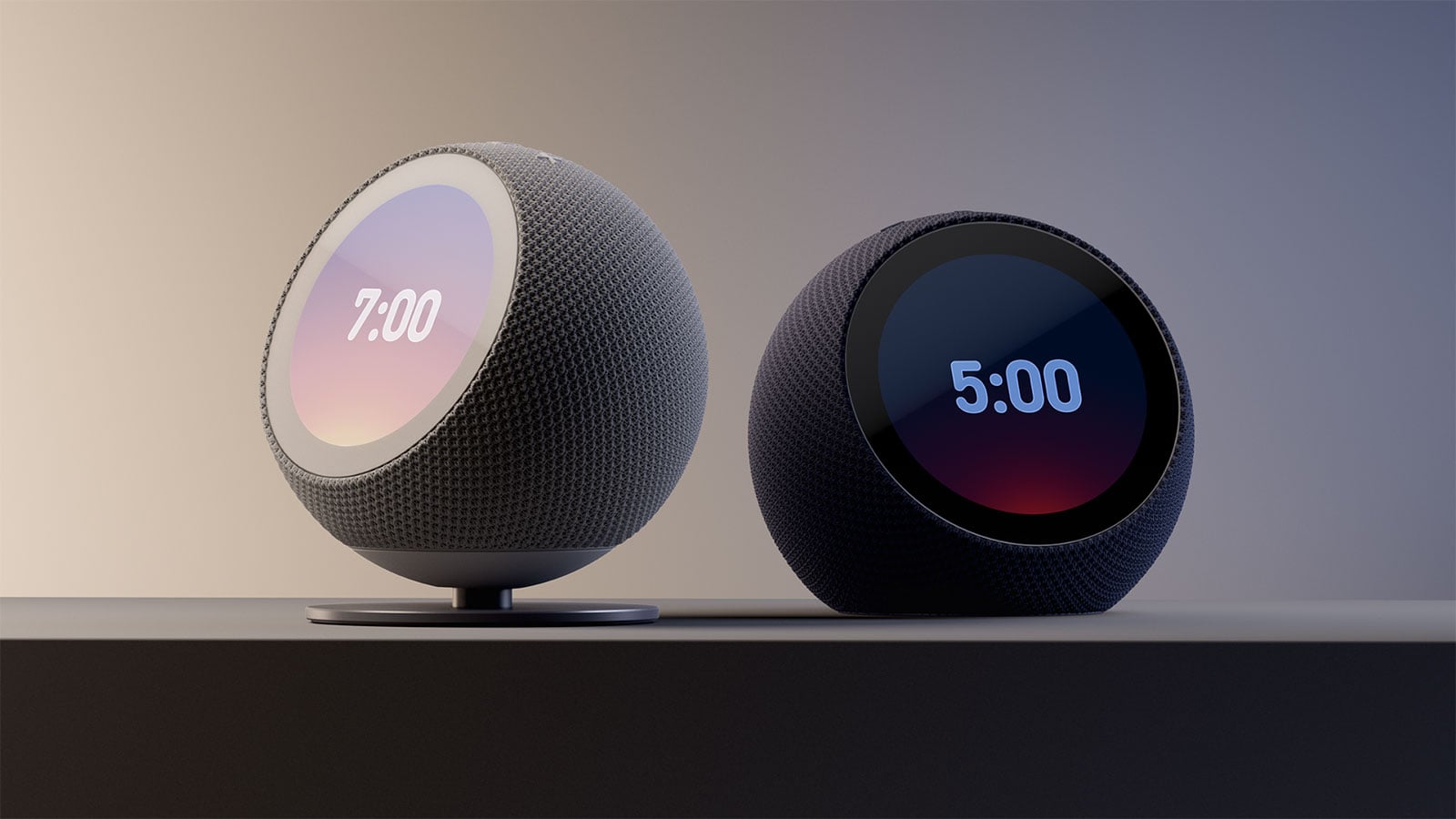
Image credit: Amazon
What the Echo Time offers that the Spot doesn't
The Time’s headline feature is sleep sensing, which uses ultrasound to detect breathing-related movements and how close you are to the clock, along with temperature and presence sensors. Amazon says it uses that information to estimate when you're in lighter sleep and sound the alarm within a window of 10 to 60 minutes before your scheduled wake-up time – no wearable needed.
Amazon says sleep sensing is optional, and you can disable it in the Alexa app or by turning off the microphones. The company hasn't clearly explained how long it retains information collected through sleep sensing.
You can also set the Time’s screen to gradually brighten before your alarm, mimicking a sunrise. At night, the display dims to show only the time or your next alarm and reduces blue light.
The smart alarm requires Alexa+, which is included with an Amazon Prime subscription. Non-Prime buyers get free access for a limited time.
Unlike the Spot, which can be paired with a second Spot for stereo sound, the Time doesn't currently support stereo pairing. Nor does it have the Spot's motion sensor that can trigger routines such as opening the blinds when you walk into the room.
Should you buy the Echo Time or the Spot?
The Echo Spot ($109.99, often on sale for under $90) remains my recommendation if you simply want a capable Alexa+ alarm clock at a reasonable price. It handles the basics well, and you can pair two Spots for stereo sound.
The Echo Time ($199.99) is worth considering if its sleep-timed alarm appeals to you, particularly if you're already paying for Amazon Prime. You also get a larger, more customizable display and easier touchscreen alarm controls. But at nearly twice the price, it's a substantial premium for features whose benefits – especially the sleep sensing – have yet to be independently established. Anyone who already owns a Spot has little reason to upgrade.

