

Image credit: U.S. Food and Drug Administration
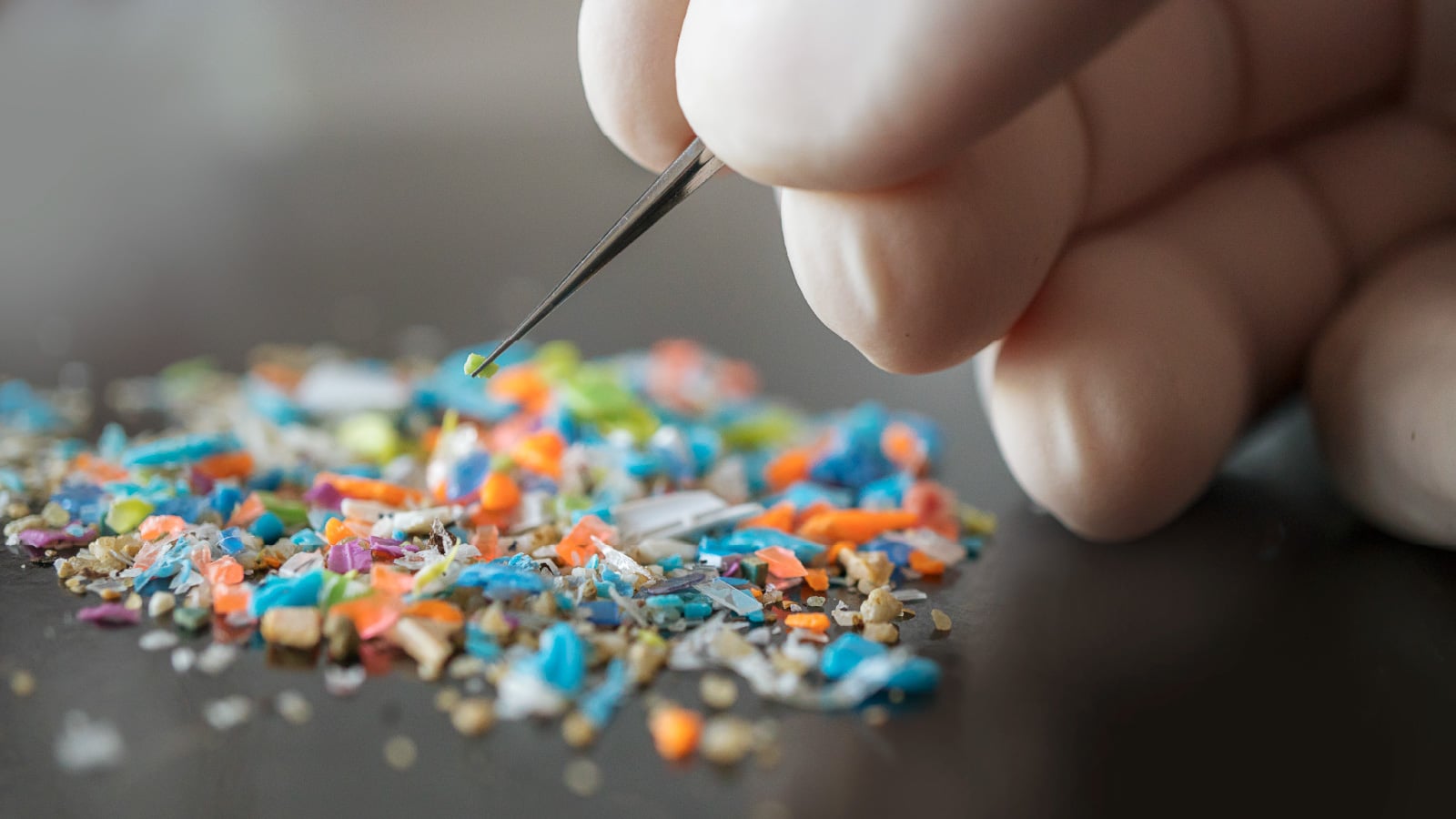
Plastic is supposed to be chemically inert, yet microplastics – plastic fragments smaller than 5 millimeters – sitting in plain water spontaneously produce highly reactive molecules associated with blood-cell damage in laboratory tests.
In a study published October 14 in Nature, researchers from Columbia University and the University of California, Berkeley found that six common plastics generate hydroxyl radicals when they are in water. These highly reactive molecules, study co-author Naixin Qian says, can damage animal and human tissue.
Columbia says earlier studies linked microplastic exposure to heart attack, stroke, dementia and brain tumors. Scientists have been investigating how microplastics might contribute to these illnesses, and the new study identifies one possible mechanism.
Size is the key. Wei Min, a Columbia professor of chemistry and biomedical engineering, says water molecules become chemically active when they touch plastic, which repels water. Breaking plastic into tiny pieces exposes far more surface area to the surrounding water.
All six plastics tested – polyethylene, polypropylene, polystyrene, polyvinyl chloride, PET and acrylic – produced hydroxyl radical molecules. The most water-repelling plastics, polyethylene and polypropylene, were the most active.
The researchers also found evidence of biological damage. A protein called lysozyme aggregated at the surface of polystyrene particles, and adding caffeine, which can neutralize free radicals, suppressed the aggregation. In another experiment, mouse red blood cells developed fragmented, helmet-like shapes after contacting polystyrene particles, and hemoglobin leaked out. Plastics that generated more hydroxyl radicals also tended to cause more blood-cell damage.
The findings raise questions about what happens when people consume water containing tiny plastic particles. In 2024, Min's group found an average of about 240,000 detectable plastic fragments per liter in samples from three bottled-water brands, roughly 90% of them nanoplastics. The new study suggests that contact with water could make some of these particles chemically reactive, although researchers have not established whether this process causes harm in people.
Yan’s group is now working with researchers at Rutgers and New York University to track where these particles end up in human tissue and whether they pass from mothers to fetal tissue in animal models.

