
Science
-

Meet huachafo, the ancient whale with a wildly crooked face
Both nostrils sat on the left side of the whale’s face, and its heavy snout pointed at the seafloor, where scientists think it hunted with sonar.
-
Ancient Maya may have poisoned their own lakes with mercury
Mud from two lakes in Mexico shows mercury from the Maya’s red paint reached toxic levels for centuries as algae, snails, and other lake life faded.
-

Inca child sacrifice victims were given drugs and alcohol
A new Antiquity study of eight Inca mummies finds the substances given to sacrificed children varied by site, from coca and corn beer to a psychoactive plant.
-
Federal fund has approved $909 million for nuclear radiation victims
The Justice Department has approved 13,042 radiation claims since July 2025. Payments reach $100,000, and survivors of deceased victims can apply.
-

Hospital sewers are helping drug-resistant bacteria thrive
Antibiotics from patients wash into hospital drains, and a new study finds they help drug-resistant bacteria multiply in the pipes.
-
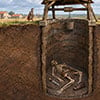
2,000-year-old Roman murder mystery points to a revenge killing
Archaeologists linked a Roman’s death to a tax revolt for decades. New evidence from his wounds, teeth, and gear points to a different killing.
-

Is your personality in your genes? What a 1.14M person study found
Researchers pooled DNA and personality scores from 1.14 million people and found thousands of small genetic effects that work alongside life experience.
-
A hidden effect of CO2 may threaten the ocean food chain
Rising CO2 may be starving the algae at the base of the food chain behind herring, salmon, and halibut, according to a new 24-year study off Washington state.
-

U.S. drinking water may contain twice the reported PFAS levels
Your tap water may contain more forever chemicals than testing reports suggest. Learn why PFAS levels may be underestimated and how to reduce exposure.
-

A medieval tsunami may have reached 160 feet at this Italian lake
Scientists reconstructed two earthquake-triggered tsunamis at Italy’s Lake Iseo and say centuries of farming helped set the stage for them.
-
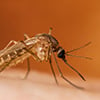
Your skin bacteria may explain why mosquitoes bite you
Researchers found two species of skin bacteria linked to fewer mosquito bites. Animal tests suggest they could lead to a new type of repellent.
-

Burglars can leave DNA floating in the air after they’re gone
Researchers staged mock break-ins and found intruders’ DNA floating in the air of homes. Police could one day use it to catch burglars.
-

Noise-canceling headphones cut post-surgery nausea by 32%
In a surgical trial, those who wore noise-canceling headphones under anesthesia were less likely to feel sick afterward.
-

Scientists turn cancer-promoting protein into a weapon against tumors
Researchers have discovered that a protein known to help cancer cells thrive can also make immune cells more effective at destroying tumors.
-

Scientists use lab-grown brain cells to read Braille
Researchers linked tiny lab-grown brain clumps to a touch sensor, and a computer identified Braille letters from their signals.
-
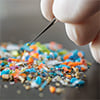
Microplastics in water form chemicals that can damage cells
Researchers found that six common plastics release reactive chemicals into water, which damage proteins and mouse red blood cells in the lab.
-

A lab mistake exposed how a deadly fungus beats drugs
Candida auris fungal infections are rare in the general population but can be deadly in ICUs. Researchers now report how it can outlast a first-line antifungal drug.
-
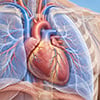
Scientists build pencil-tip robots to deliver medicine inside a heart
Johns Hopkins engineers built two magnetic robots that team up to deliver antibiotics to heart infections, steered by coils outside the body.
-
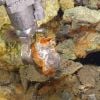
Why did rocks from the bottom of the Pacific catch fire in a lab?
Two samples from the Pacific seafloor began to smoke when USGS scientists broke them open. That raises fire-safety questions for deep-sea mining.
-
Scientists may have found a clue to why octopuses are so smart
A University of Vienna study suggests the way octopus DNA is folded inside cells may have helped these animals evolve their remarkably complex brains.
