

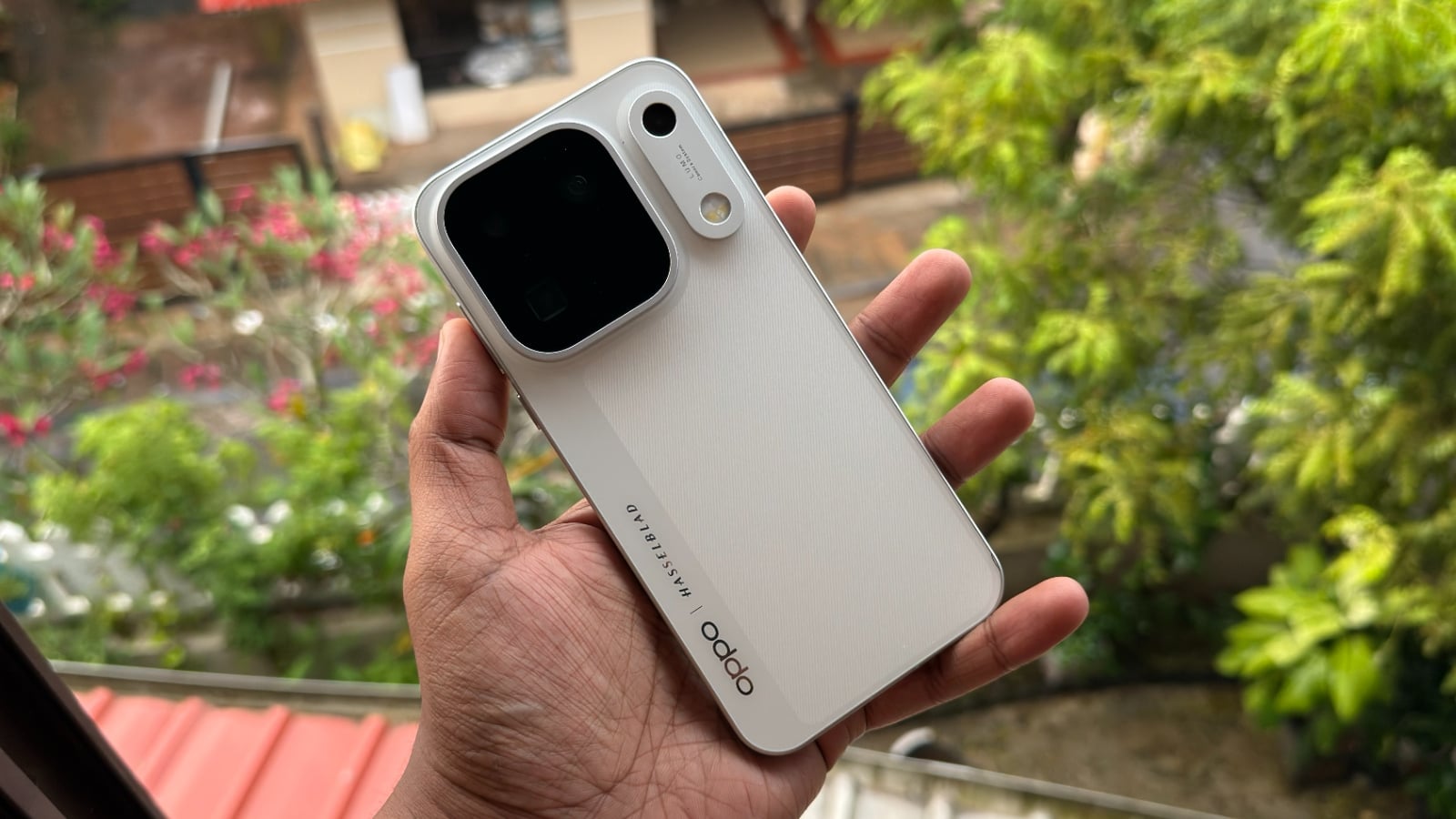
The OPPO Find X10 Pro Max and its three 200MP rear cameras.
Image credit: Palash Volvoikar/Techlicious
Phone makers have been putting 200MP sensors behind the main camera of their flagships for a few years now, but the other two cameras on the back – the ultrawide, which fits more of the scene into the frame, and the telephoto, which zooms in – have stayed at 50MP or lower. That's a problem because the detail falls apart when you zoom in on photos from the lower resolution sensor.
OPPO's Find X10 Pro Max is the first phone to put a 200MP sensor behind all three rear cameras, and it is available globally now, except in the US.
The OPPO Find models have been my primary camera phones since the Find X6 Pro in 2023, so I had a decent baseline to compare the newest Find X10 Pro Max against. I've used it for a few days now, and I can confirm it's an upgrade over the Find phones that came before it, with one exception, the Find X9 Ultra.
The cameras are excellent, with one processing caveat
The X10 Pro Max's three rear cameras are all 200MP, and all carry Hasselblad branding. The main camera has a large sensor and a bright f/1.5 lens, which helps at night. The ultrawide fits a lot more into the frame, with a 124-degree field of view. The 3x telephoto gets you three times closer than the main camera, and there's a 6x setting that zooms in digitally on the middle of that camera's picture rather than using another lens. Because the telephoto has so many megapixels to spare, OPPO says you don't lose detail at 6x, which is what it means by calling it lossless.
Photos come out at 26MP by default, with a high-resolution mode if you want the full 200MP file. All three cameras can record 4K at 120 fps and 8K at 30 fps.
For comparison, Samsung's Galaxy S26 Ultra, the closest phone to this one that you can buy in the US, pairs its 200MP main camera with a 50MP ultrawide, a 10MP 3x telephoto, and a 50MP 5x telephoto.

An Epiphyllum flower shot at night with the Find X10 Pro Max's main camera.
Image credit: Palash Volvoikar/Techlicious
Not surprisingly, I found the X10 Pro Max’s 200MP ultrawide camera captures noticeably more detail than the Find X9 Ultra’s 50MP ultrawide.

A residential street shot with the Find X10 Pro Max's 200MP ultrawide camera at 0.5x zoom.
Image credit: Palash Volvoikar/Techlicious
The 6x zoom is great, too, even though it's the digital kind rather than a separate lens, and you'll get clear photos out of it at that range. The processing can be a bit much when you have a lot of detail going on in the frame, though. If you zoom all the way into a busy 6x shot, you'll see fuzzy, over-processed details, since the phone is only working with the middle of the telephoto's picture at 6x and has to sharpen it to compensate. You're not likely to notice any of that at normal viewing sizes.

A bug shot at 6x zoom with the Find X10 Pro Max's telephoto camera.
Image credit: Palash Volvoikar/Techlicious
I still prefer the Find X9 Ultra's 10x zoom
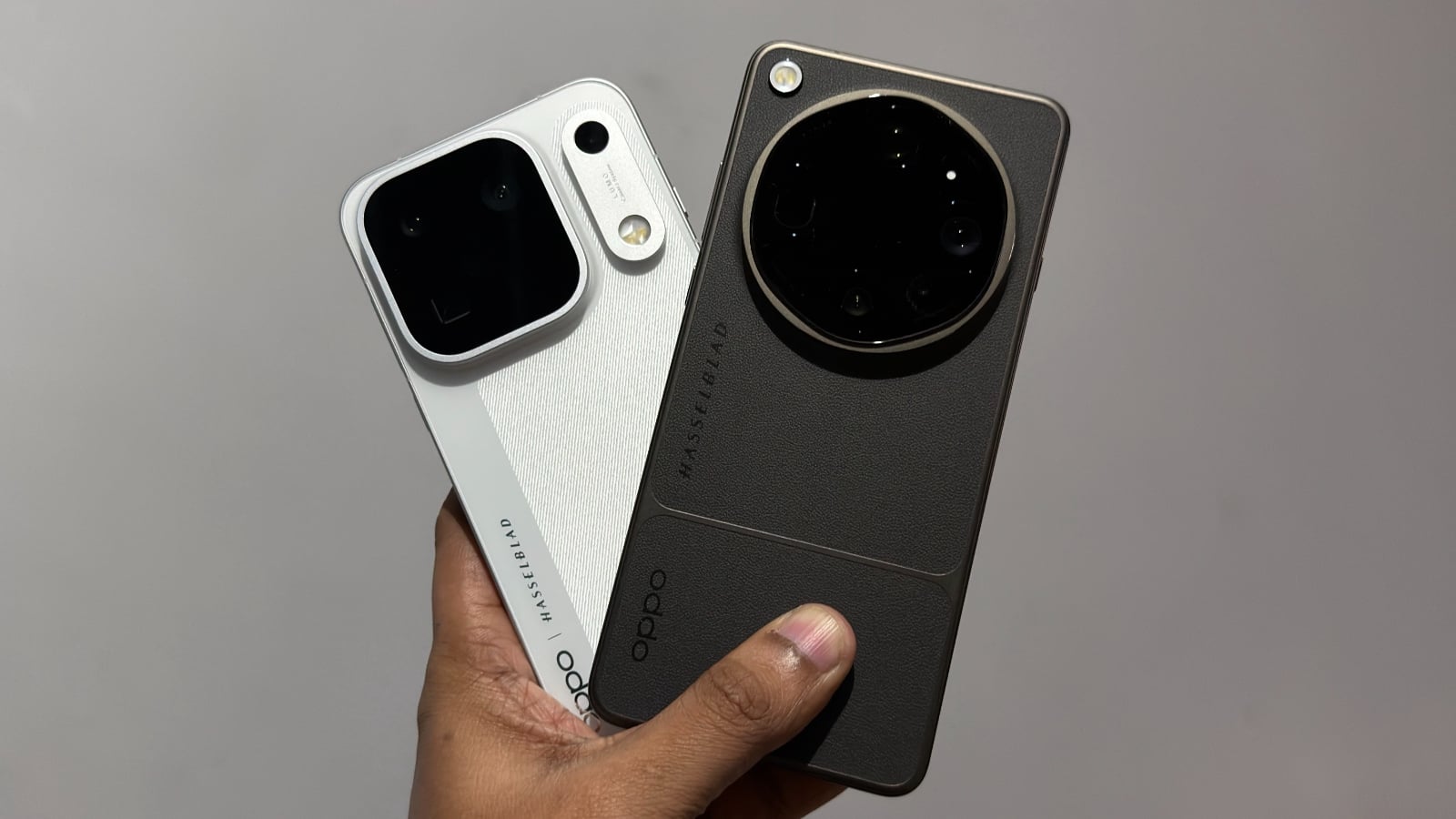
The Find X10 Pro Max (left) next to the Find X9 Ultra (right).
Image credit: Palash Volvoikar/Techlicious
I don't think the Find X10 Pro Max is an upgrade over the X9 Ultra, which remains my favorite camera phone. The X9 Ultra has a 50MP 10x periscope with a 230mm equivalent lens, on top of its 200MP main and 3x cameras, and that 10x is the reason it's one of the phones I daily drive. The X10 Pro Max tops out at 3x plus that digital 6x setting, and it leverages the extra megapixels on the ultrawide instead, taking that camera from 50MP to 200MP.
If you're obsessed with resolution, though, the X10 Pro Max is the way to go right now, since there's nothing else that gives you 200MP across all three rear cameras.
I also tried out the Hasselblad teleconverter kit, which adds a 3.28x optical extender to the telephoto and takes you to a true 10x optical zoom. I like it, but the X9 Ultra gives me that reach without having to attach an extra lens. The case on the X10 Pro Max kit is more practical to leave on at all times than the last one was, which I appreciated. OPPO is letting buyers in the UK and Germany pick the kit as a free gift at launch, and it's valued at £500 in the UK.
The battery will change how you use a phone
The battery is an 8,000mAh silicon-carbon cell, or 7,150mAh if you buy the phone in Europe, with 80W wired charging and 50W wireless charging. That's straight up nuts for a phone that weighs 233 grams and is 8.4mm thick, which is pretty much the same as the X9 Ultra's 235 grams. The 80W fast charging is equally impressive. Samsung's Galaxy S26 Ultra, by comparison, has a 5,000mAh battery.
OPPO has spoiled me with its batteries and charging for years now, so none of this is new to me. If you haven't experienced it before, it will change your world. You basically stop worrying about your battery percentage.
Performance is quick and ColorOS 17 is mature
The Find X10 Pro Max runs on MediaTek's Dimensity 9600 Pro, a 2nm chip, with 12GB or 16GB of RAM and 512GB of storage. OPPO went with MediaTek here rather than the Snapdragon 8 Elite Gen 5 in the X9 Ultra, and in my use the phone has been lightning quick.
It runs ColorOS 17, which is built on top of Android 17, and OPPO's software has changed for the better over the years. It's mature at this point, and it's perfectly fine for daily driver use. It's actually my favorite flavor of Android now, which is a big honor for me to give out considering I've tried nearly every option under the sun in the last 15 years.
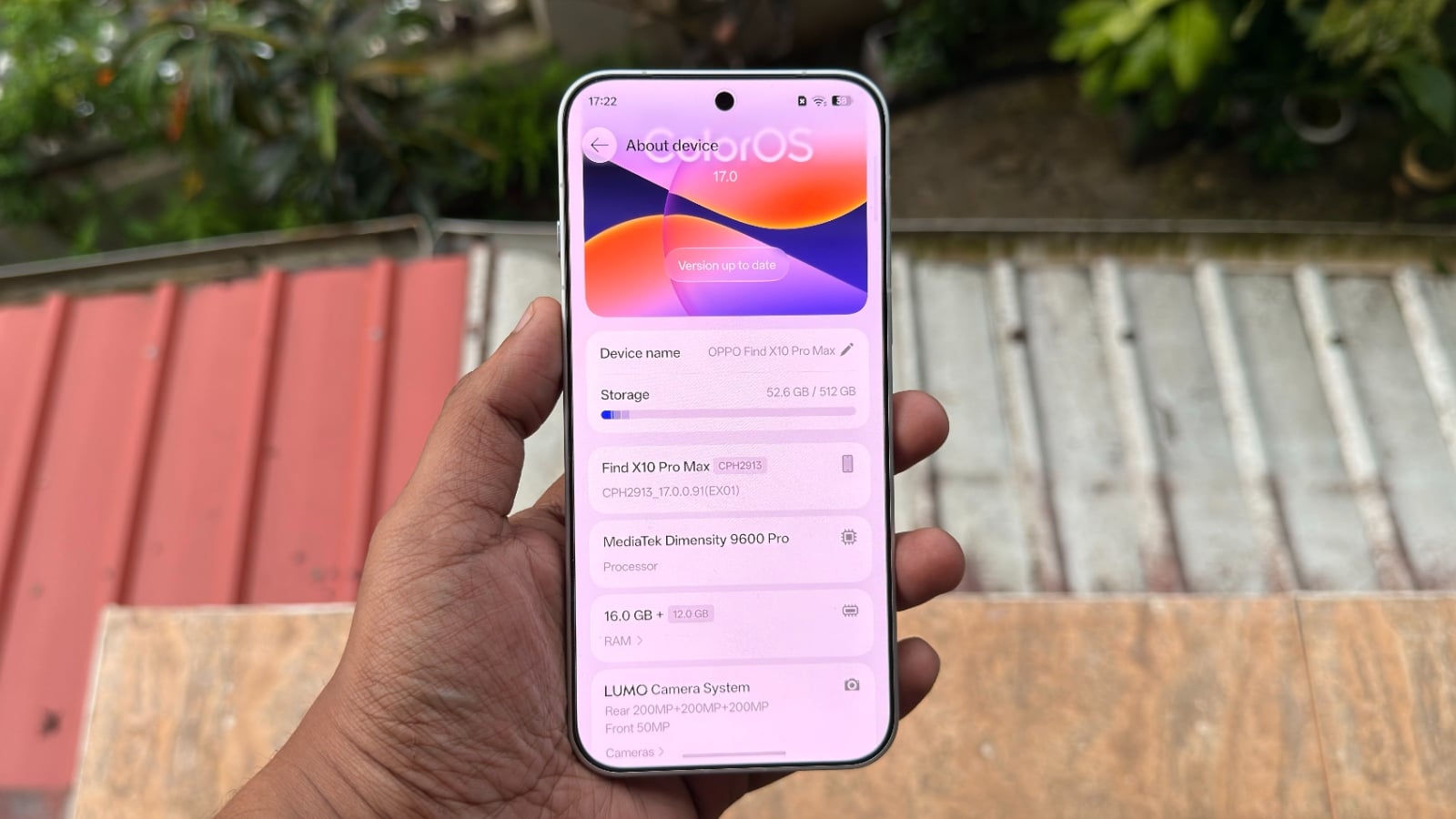
The Find X10 Pro Max runs ColorOS 17
Image credit: Palash Volvoikar/Techlicious
The phone feels dense in the hand, but that adds to the premium feel rather than taking away from it. I like the camera island on this one, even though I like the X9 Ultra's better.
One thing surprised me. The IR blaster, which lets you use the phone as a universal remote, was missing from the top edge of the phone where OPPO usually puts it. I was annoyed, since it's one of my favorite features and I assumed OPPO had removed it. It turns out OPPO simply moved it into the camera island, which is great. I use it with OPPO's IR Remote app, which lets you set up your TV or air conditioner and then use the phone as the remote. On earlier OPPO phones you had to point the top of the phone at the TV or AC, but now you just hold the phone normally and it works.
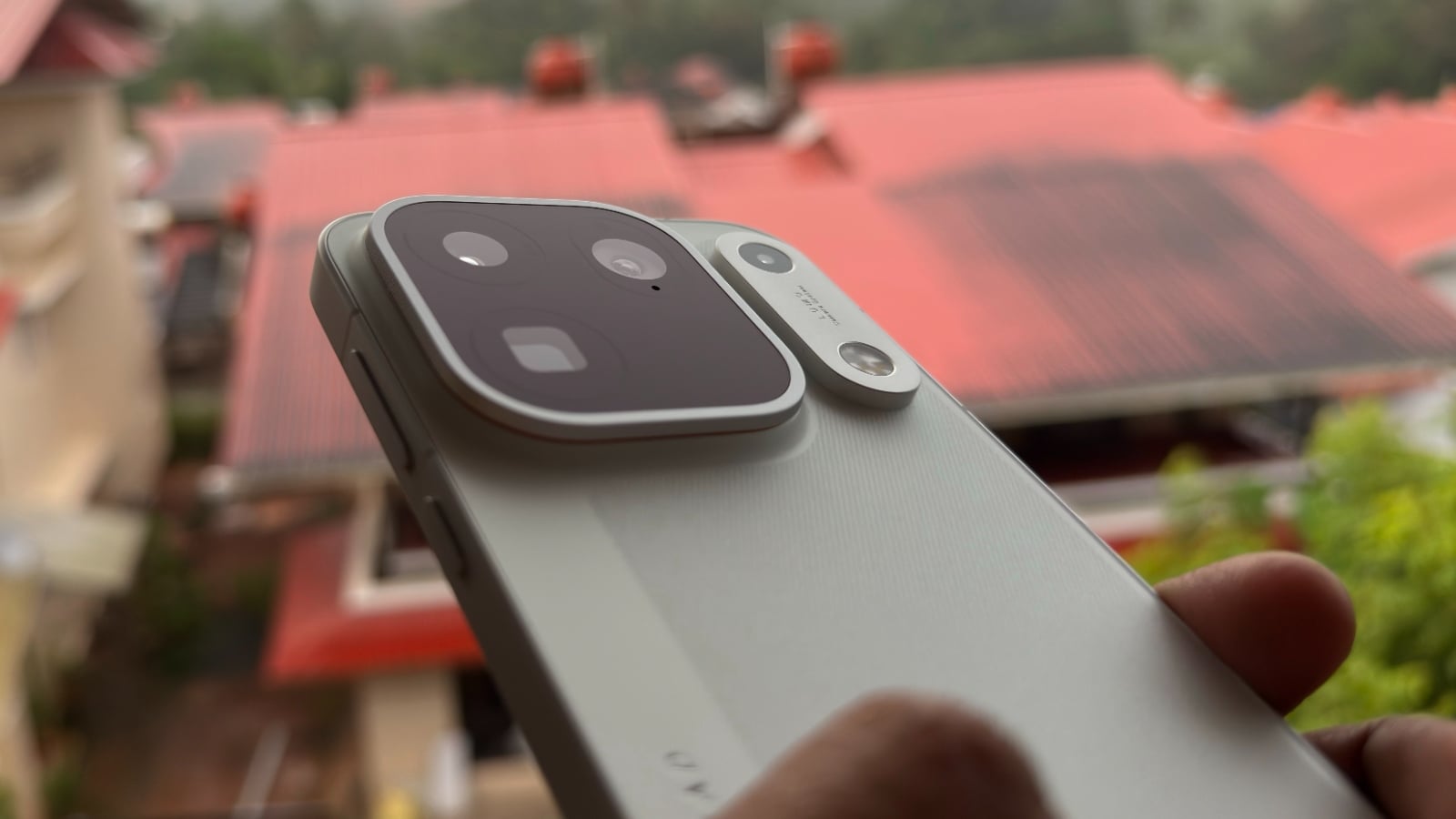
The Find X10 Pro Max's camera island, which now houses the IR blaster.
Image credit: Palash Volvoikar/Techlicious
Who should buy it
The price is off the rails, but that's a sign of the times, and you do get the hardware to justify it. The Find X10 Pro Max costs €1,799 in Europe and £1,499 in the UK (approx. $2,000) for the 12GB/512GB model. By comparison, Samsung lists the Galaxy S26 Ultra at $1,399.99 for 256GB, and it's regularly on sale for less. Meanwhile, the Find X9 Ultra is €1,699 in Europe and £1,449 in the UK (approx. $1,900) for the same configuration, and I like it more than the X10.
If you're blowing serious money on an OPPO camera phone, I'd wait for the Find X10 Ultra instead, which OPPO hasn't announced yet. The Find X10 Pro Max is a perfectly solid phone and a good option if you want one right now, but the pricing makes me suggest the X9 Ultra, which is better and cheaper overall.
The Find X10 Pro Max is available now in Titanium Grey and Luna White through OPPO's official stores and authorized retailers. Even though this is a fantastic phone. I'd stick to the X9 Ultra for now, which you can buy on Amazon in the US as an import for $1,949.

