

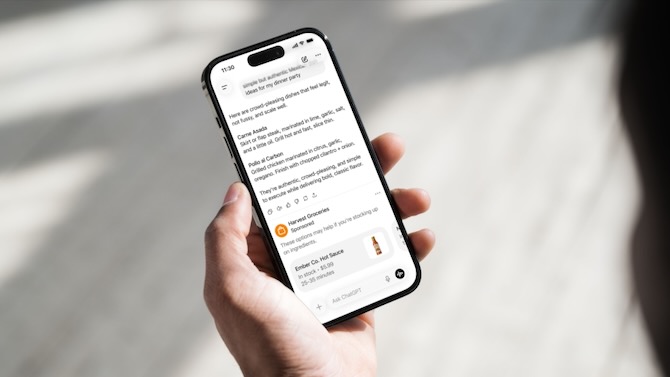
OpenAI has announced that it will start testing ads in ChatGPT in the coming weeks for users on its free and new Go subscription tiers. The company says ads will appear at the bottom of answers when there's a relevant sponsored product or service, clearly labeled and separate from ChatGPT's response. Plus, Pro, Business, Edu, and Enterprise subscriptions will not include ads.
The ad rollout comes alongside the US launch of ChatGPT Go, an $8-per-month plan that offers 10 times more messages, uploads, and image creation than the free tier, plus longer conversation memory. It makes sense that ChatGPT is getting ads, but I hope the company sticks to its promise of keeping it separate from the responses.
Why ads make sense (for OpenAI)
It's not surprising that OpenAI is offering an ad-supported tier. Streaming services have opted for this model to make their subscriptions accessible at lower costs. Chatbots like ChatGPT are becoming a commonly used tool for schoolwork and business, much like general internet access. A low-cost, ad-supported option that expands access to more people sounds like a good idea at this point.
In addition to the promise of never letting ads influence ChatGPT's answers, OpenAI says conversations will remain private from advertisers. The company also says it will not sell user data to advertisers. I'm skeptical about the model staying this way forever.
Read More: Almost Two-Thirds of Teens Are Using AI Chatbots. ChatGPT is Winning
Protections and concerns
During the initial testing phase, OpenAI will not show ads to users who are registered as under 18 or whom its AI predicts are under 18. Since kids use ChatGPT for schoolwork and ads can be distracting, I hope OpenAI extends this protection beyond the testing period. There are already concerns about minors using chatbots surrounding exposure to harmful content, dependency, misinformation, and more. Ads will add another layer of distracting and perhaps harmful messages.
OpenAI also says ads are not eligible to appear around sensitive or regulated topics such as health, mental health, or politics.
One thing I don't love: It appears that ad personalization will be turned on by default, which means OpenAI will automatically collect data from your chats that may go into marketing profiles. As with Google Search, conversations with ChatGPT can include sensitive personal information, and requiring opt-out rather than opt-in is the wrong default. OpenAI says you can turn off personalization and clear the data used for ads at any time, though the company hasn't yet detailed how to do so.
OpenAI outlined several principles guiding its ad approach, including that it will not try to keep you scrolling just to show more ads, unlike social media platforms. It also said that it will always offer a paid tier without ads. The company says it plans to develop new ad formats over time, including the ability to ask follow-up questions about sponsored products directly in the chat.
Whether users will accept ads in a tool they've come to trust for personal and professional tasks remains to be seen. It's a lot easier to trust a tool that isn't trying to sell you something. OpenAI will have to prove it can make this change without turning ChatGPT into yet another ad-filled online platform.
[Image credit: OpenAI, phone mockup via Canva]

