
Computer Safety and Support
-

How to protect your privacy on public Wi-Fi: 3 risks, 5 fixes
Most public Wi-Fi warnings are outdated. Here's what's still risky in 2026, from compromised hotel networks to captive portals that sell your data.
-

Google sued over claims it shared US data with Temu, Baidu
A new lawsuit alleges Google's ad-tracking tools sent Americans' browsing data to Chinese companies Temu and Baidu without consent.
-

Apple patches bugs that let malicious apps take over your iPhone
Apple's updates this week fix dozens of security flaws, including several that could let a malicious app seize full control of your iPhone or Mac.
-

Google adds a selfie video option to sign back into your account
Google's new selfie video option lets you record a short face video to prove it's you if you're ever locked out of your Google account. -

New Mac malware locks your screen until you hand over your password
ClickLock Stealer locks Mac screens until victims type a password, then drains browsers, password managers, and crypto wallets.
-

Zoom patches critical flaw letting hackers hijack accounts
Zoom fixed a critical Windows bug that let attackers take over accounts without a password. Here's what happened and how to update.
-

Goose Creek breach exposes data on 6.6 million shoppers
A breach at candle retailer Goose Creek exposed emails, names, phone numbers, and order details for 6.6 million customers. Here's what to watch for.
-

A Claude for Chrome flaw lets rogue extensions read your Gmail
Anthropic hasn't fixed a Claude for Chrome bug that lets a malicious browser extension trick the AI assistant into reading your Gmail, Docs, and Calendar.
-

Microsoft ships record Patch Tuesday fixing active attacks
July's Patch Tuesday fixes more vulnerabilities than any release in Microsoft's history, including two flaws already being exploited. Here's what to update now.
-

Scammers are delivering malware through legitimate Zoom emails
A phishing campaign abuses Zoom Events to send file-sharing emails from a genuine zoom.us address, sliding past spam filters to push remote-access malware.
-

Insurance Data Breach Exposes 6.9M Driver's Licenses, SSNs
A data breach at AssuranceAmerica exposed driver's license numbers, Social Security numbers, and insurance data for 6.9 million people. What to do now.
-

Fake recruiters from Adidas, Netflix, Adobe are stealing passwords
Scammers are posing as recruiters from Adidas, Netflix, and other major brands to trick job seekers into revealing their Google credentials.
-

Amazon fined $2.25 million for denying records to fraud victims
Identity theft victims have a federal right to fraud records from retailers. Here's what the FTC's $2.25 million Amazon settlement means for you.
-

The best password managers to protect your accounts
Seven password managers tested. One clear winner for most people, one for privacy-first users, and one that costs nothing. Here's the breakdown.
-

Cheap Amazon TV boxes and photo frames are secretly committing crimes
Android TV boxes and photo frames sold by Amazon and Walmart are shipping with preloaded malware that routes crime through your home Wi-Fi. Here's how to check.
-

$3.5 billion lost to imposter scams in 2025, FTC says
FTC data show Americans reported losing $3.5 billion to imposter scams in 2025, nearly triple the losses recorded in 2020.
-

Best antivirus software 2026: free and paid picks
From free built-in tools to paid security suites, here's the software that keeps your devices safe from malware, phishing, and scams in 2026.
-

Google Calendar is adding scam billing notices to your schedule
Google warns that fake billing notices are landing in Google Calendar without you accepting anything. Here's the one setting to change.
-

FTC warns: Fake CAPTCHAs are installing malware
The FTC is warning about fake CAPTCHAs that install malware to steal your passwords and banking credentials. Here's how to spot them.
-

Charter confirms Spectrum data breach: 13 million customers exposed
ShinyHunters leaked data on more than 13 million Spectrum customers after the ransom payment deadline passed. Here's what was exposed and what to do now.
-

FBI warns hackers are sending fake IT workers in-person to your office
The FBI warns hackers are posing as IT support workers, showing up at offices to steal data directly from company computers.
-

FTC warns Meta, TikTok, X: comply with nonconsensual image removal law
The FTC warned Meta, TikTok, X, and 12 other platforms to comply with the Take It Down Act or face $53,088 in fines per violation, effective this week.
-
Google confirms Gmail security flaw that lets malware through
Google confirmed a flaw that lets hackers send malware through Google Drive with Gmail's own "Scanned by Gmail" safety label attached.
-

Canvas breach ends in ransom deal, but student phishing risk remains
Instructure says it struck a deal with ShinyHunters and all stolen student data was destroyed. Congress wants answers. Here's what students should do now.
-

Amtrak quietly loses 2M customer records – and hasn't warned anyone
Over 2 million Amtrak customer records – including home addresses and trip history – are now public. The railroad has stayed completely silent.
-

Hackers are flooding your inbox on purpose – then offering to help
Google researchers uncovered a scam that floods your inbox, then sends fake IT support via Teams to steal your login credentials.
-

The best VPNs for protecting your privacy
Many VPNs don't deliver on what they promise. Our tests show which VPNs offer the best combination of privacy, speed, features, and proven trustworthiness.
-

Your stolen identity could sell for just $35 on the dark web
Stolen U.S. identities, payment cards, and streaming accounts are selling cheaply on the dark web. Here’s what your data is worth to hackers.
-

Social media apps may soon carry cigarette-style warning labels
A bipartisan bill would require warning labels on social apps for minors. Will pop-ups on TikTok and Instagram actually change teen behavior?
-

FTC warns about texts claiming your rewards points are expiring
Did you get a text about your rewards points expiring? The FTC says there’s a chance it’s a phishing scam to steal your personal data. -

FBI Warns: Foreign Apps Are a Bigger Risk Than You Think
Chinese-developed apps can collect your data even when you're not using them. The FBI says it's time to take app permissions seriously.
-

Newsom Takes on Trump Over Who Sets the Rules for AI
California's new AI procurement order puts it on a collision course with the Trump administration's hands-off approach to regulating the technology.
-

Kash Patel's Gmail got hacked. We read the files so you don't have to
Iranian hackers breached FBI Director Kash Patel's personal Gmail and dumped 300+ emails online. We reviewed the files. There's almost nothing there.
-

The best authenticator apps to protect your accounts in 2026
SMS text codes aren’t secure enough to protect your accounts. Here’s why authenticator apps are safer, and the best ones to use now.
-

FBI warns Russian spies targeted Signal app used by Hegseth and DOGE
FBI and CISA warn Russian spies targeted Signal users in a phishing campaign that compromised thousands of messaging app accounts.
-

The IRS just flagged 12 scams that could hit your refund
Scammers are using AI, social media, and fake tax advice to steal refunds and personal data. The IRS Dirty Dozen breaks down what to watch for.
-

Scammers Are Now Sending Fake 'Your Data Was Breached' Emails
With real breaches constantly in the news, scammers are sending realistic warning emails to steal login credentials. Here’s how to avoid the trap.
-

How to Tell if an Email Has Been Spoofed
Not sure if an email is real or spoofed? Here are the clear signs in the email header that will show if an email has been spoofed or is the real deal.
-

YouTube unleashes new tool to hunt down political deepfakes
YouTube’s new likeness detection tool scans videos for AI-generated impersonations, giving politicians a faster way to review and report harmful deepfakes.
-

The Cruel New Scam Targeting People Searching for Lost Pets
Fraudsters are using AI-generated photos and emotional pressure to trick people searching for missing pets. We explain how the scam works.
-

2FA Explained: The Safest Ways to Protect Your Accounts
Two-factor authentication (2FA) prevents hackers from gaining access to your accounts even if they have your password. Here are the best practices for using 2FA.
-

Hackers Are Using Fake Invitations to Take Over Your PC
Hackers are hijacking email accounts and sending fake invites that install remote access tools. Even your antivirus may not catch it.
-

How to Use a Hardware Security Key to Protect Your Accounts
Security keys are the most secure way to stop SIM swaps and phishing attacks. Step-by-step instructions for Google, Apple, and Microsoft.
-

Facebook Account Cloning: How to Spot It and Stop It
Learn how Facebook account cloning scams work, how to spot a fake profile, and what to do to protect yourself and your friends.
-

How to Hide Your Friends List on Facebook – and Why You Should
Hiding your Friends list protects your privacy and prevents account cloning, which could put your friends at risk. Here’s how to lock it down on web and mobile.
-

WhatsApp Web Not Working? Here’s How to Fix It
WhatsApp Web not working? Fix QR code errors, login problems, blank screens, and connection issues with these quick troubleshooting steps.
-

Windows Notifications Not Showing? Here’s the Fix
Google Calendar alerts stopped appearing on my PC. Here’s the PowerShell fix that instantly restored my Windows desktop notifications.
-

Deepfake Scams Are Flooding Social Media. This Tool Catches Them
Deepfake videos now look real enough to fool almost anyone. A new tool listens for AI-generated voices and warns you while you watch.
-

The Google Calendar Setting That Could Put You at Risk
Calendar invites aren’t just reminders anymore. They can become input for AI – and that changes the security stakes. Here's how to protect yourself.
-

Chrome’s New AI Can Shop and Log In for You – Should You Let It?
Google’s agentic AI can browse, log in, and shop on your behalf. Here’s why I’m curious – and cautious – about turning it on.
-

Think Twice Before Clicking Links That Open AI Chats
Researchers found a Microsoft Copilot bug that lets hackers steal personal info via a shared chat link. Here’s how it works and why all AI links deserve caution.
-

Windows 11 Updates Keep Breaking PCs. Here’s How to Stay Safe
Last week's security patch is the latest buggy update that impaired some PCs. Take these steps before and after an update to avoid headaches.
-

Wire Transfer Scams Reveal a Dangerous Gap in Consumer Protection
Wire fraud losses often aren’t protected by the FDIC or the Electronic Funds Transfer Act. Here’s what banks cover, what they don’t, and when insurance may help.
-
What Ads in ChatGPT Free and Budget Plans Mean for Privacy and Safety
The new ChatGPT Go tier costs $8 monthly. But – like the free plan – will include ads. What does it mean when your chatbot becomes a marketing platform?
-

New LinkedIn Phishing Scam Uses Comment Replies to Harvest Log-ins
Scammers are hijacking comment threads with believable fake alerts that direct you to credential-stealing sites. Get our practical tips to protect your profile.
-
I Almost Fell for This DocuSign Phishing Scam
A personalized DocuSign phishing scam nearly worked on me. Here’s how it fooled me, what stopped it, and what you can do to protect your accounts.
-

Google’s Dark Web Monitoring Is Ending. Here’s What to Do Now
Google is shutting down its dark web monitoring this week. Here’s why it never helped much – and what actually protects your accounts and identity instead.
-

How to Stop Apple FileVault Encryption from Locking Up Your Mac
Apple's hard drive encryption protects your data from thieves and hackers. But It can keep you out, too, if you don't safely store the recovery key.
-

Australia’s Teen Social Media Ban Shows Why Age Verification Is Hard
As teens slip past Australia’s new social media restrictions, the limits of face scans, IDs, and parental consent become impossible to ignore.
-

OpenAI Confirms AI-Powered Browsers Leave You Vulnerable to Hackers
So-called prompt injections can trick chatbots into actions like sending emails or making purchases on your behalf. OpenAI says the risk may never go away.
-
That Handy Free Browser Extension You Installed Could Be Spying on You
Recent exploits are a reminder that when you install an extension, you grant it a lot of power to see where you go online and what you type.
-

New Android Virus Can Lock You Out of Your Phone and Wipe Data
With DroidLock, crooks take over a phone and threaten to delete its data if the owner doesn't pay up. Follow these steps to protect against it and all malware.
-

Fake Delivery Sites Surge 86% as You Await Holiday Packages
The number of bogus USPS sites jumped 850% in a month, but DHL is still the most impersonated shipper. Scammers use texts, emails, and fake ads to misdirect.
-

Microsoft Security Update Patches Flaw Hackers Are Already Exploiting
You shouldn’t delay those Windows updates anymore. It patches one flaw hackers are already taking advantage of and two others they know about.
-

Android Update Fixes 107 Bugs – Including Security Vulnerabilities
Google’s December Android patch fixes 107 flaws, including actively exploited bugs. Here’s why this update is urgent and how to check for it.
-

How to Stop Cookie Jacking and Keep Hackers Out of Your Accounts
Hackers can steal your browser cookies to access your accounts without passwords. Learn the steps that block cookie jacking and keep your data safe.
-

Phony Amazon Deal Links Are Everywhere Right Now
Fake Amazon websites are spiking ahead of Black Friday. Learn how scammers trick shoppers, and the simple steps that keep your account safe.
-

Do This to Stop Windows 11 Updates from Permanently Bricking Your PC
Microsoft requires updating Windows 11 to retain access to security and bug fixes. But a bug in one of those fixes could lock up your hard drive forever.
-

How to Prevent Windows Disk Encryption from Locking You Out of Your PC
Encryption can protect your data from crooks, but if you don't have a recovery key stored securely, it can also keep you out – permanently.
-

Your Weak, Old, Reused Passwords Are All Over the Internet
The latest accounting of passwords exposed to hackers – all 1.3 billion of them – shows the importance of upgrading your antiquated logins. Here's how.
-

More People Are Ditching Passwords for Passkeys, Study Finds
Password manager app Dashlane reports a big uptake of the more secure passkey login option, with Google and Amazon dominating and Roblox rising fast.
-

Prepare Now for the Next Big Internet Outage
These steps keep your Google Docs, Dropbox folders, Gmail, Yahoo, and Outlook email, and more critical data accessible even when websites or your internet connection go down.
-

This App Alerts You When Major Sites Go Down
AWS went down again, taking major sites like Reddit and Amazon with it. Here’s a quick, free way to monitor outages and get real-time alerts.
-
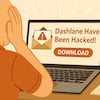
Why the Obviously Fake Dashlane Hack Phishing Email Still Made Me Jump
Even tech writers can get spooked by phishing scams. Here’s how the fake Dashlane hack email briefly fooled me – and what to learn from it.
-

Google’s New Recovery Contact Can Save Your Account
Google’s new Recovery Contact feature lets a trusted friend help you regain access to your account if you get locked out. Here’s why you should set it up.
-

Holiday Shopping on ChatGPT Raises Scam Concerns
A new Norton survey shows that about 4 in 10 Americans and almost half of Gen Z shoppers will seek help from chatbots, which might lead them to scam sites.
-

Beware Useless PCs for Sale That Can't Run Windows 11
Support for Windows 10 PCs has ended. Yet online marketplaces are still selling models that don’t meet Microsoft’s requirements for upgrading to Windows 11.
-

National Public Data Is Back – and That’s a Big Privacy Problem
The notorious National Public Data site, which leaked 2.9 billion records, is back. Here's why its return poses serious privacy risks.
-

FBI Updates Scattered Spider Threat Report with New Tactics
The FBI has expanded its advisory on Scattered Spider, adding ransomware attacks, fake help desk calls, and new data exfiltration techniques.
-
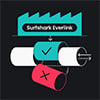
Everlink by Surfshark Aims to Eliminate Risky VPN Disconnections
Surfshark Everlink is designed to prevent VPN disconnections by instantly rerouting traffic. Here's how it works – and why I'd still use a kill switch.
-

Don’t Click That Browser Update – It Could Be Malware
A 1,711% spike in fake update scams is targeting PCs and Macs. Here's how to spot the warning signs before it’s too late.
-

Click, Paste, Infected: How a Fake CAPTCHA Hijacks Your PC
It looks like a normal CAPTCHA, but it leads you step-by-step into running malware on your Mac or PC. Even savvy users are falling for it.
-

How AI Crypto Influencers on YouTube Are Stealing Real Money
Deepfake influencers and hijacked YouTube accounts tricked viewers into draining their own crypto wallets in this shockingly sophisticated scam.
-

FBI Warning: Stop Using These Unsupported Linksys Routers Now
The FBI warns that outdated Linksys routers are being hijacked by hackers. If your model is on the list, it's well past time to replace it.
-

FBI Busts Nigerian Sextortion Ring Behind Teen Suicides
The FBI arrested 22 people in Nigeria tied to teen sextortion cases linked to suicides. Here's what parents and teens need to know to stay safe.
-

They’re Pretending to Be the FBI – And People Are Falling for It
Cybercriminals are impersonating the FBI’s IC3 to trick victims into sharing personal info. Learn how the scam works and what to do if you're targeted.
-

Tax Refund Missing? FBI Warning You Might Be the Victim of This Scam
The FBI is warning of a surge in tax identity theft this year. Learn how to protect your tax account and what to do if you're a victim.
-

How Security Expert Troy Hunt Got Phished—and Why 2FA Didn’t Save Him
Cybersecurity expert Troy Hunt fell for a phishing scam. His story reveals why even strong 2FA methods like authenticator apps can fail.
-

Think That File Converter Is Safe? The FBI Says Think Again
That free PDF or DOCX converter may be a trap – here’s the scam the FBI is warning about and what I recommend to keep your data and device safe.
-

1Password Just Got Smarter – Here’s How
1Password’s location feature helps users quickly find passwords, security codes, and documents by linking them to physical locations. Here’s how it works.
-

Microsoft’s Free VPN Ends Soon – Here’s How to Stay Protected
Microsoft 365’s built-in VPN is being discontinued. Here are the best alternatives, accounting for speed, security, and privacy, to keep your browsing safe.
-

FTC Warns of Dangerous Scam Tied to Anonymous Surprise Packages
Scammers are sending packages with QR codes to steal your data. Discover how these scams work and what to do if you receive an unsolicited delivery.
-

How to View All the Devices Linked to Your iPhone
Every device using your Apple ID is linked to your iPhone. Here's how to review and manage the connected devices to ensure the security of your personal data.
-

Why You Need a VPN for Safe Holiday Travel
While convenient, public WiFi can expose your personal information to potential threats, making it crucial to use a VPN to keep your online activity private.
-

The Worst Passwords of 2024: Are You Guilty of Using One?
2024’s most common passwords reveal a troubling lack of creativity and security awareness among internet users. In fact, this year’s list may be the worst yet.
-

Norton Genie: Your AI Assistant for Spotting Scams
We tested Norton's free AI scam detector and found it spots most scams, including bogus delivery notices, phony gift cards, and fake recruiting offers.
-

Update Windows Now: Hackers Can Take Over or Crash Your PC
Hackers are targeting Windows PCs right now. Find out how to protect your computer from three major security flaws and keep your data safe.
-

Beware of the New Gmail Scams That Are Fooling Security Pros
New AI-powered Gmail scams are tricking even security experts with realistic calls and spoofed emails. Learn the red flags and steps to protect your account.
-

NordVPN Gets Quantum-Proof Encryption: Why You Should Care
Learn how NordVPN is preparing for the quantum computing era with post-quantum cryptography and discover why this matters for your online security now.
-

Fake CAPTCHAs Are the Latest Malware Threat
This insidious new threat can trick even the most sophisticated users into downloading the incredibly dangerous Lumma Stealer malware onto their PCs.
