

Image credit: ChatGPT illustration by Suzanne Kantra/Techlicious
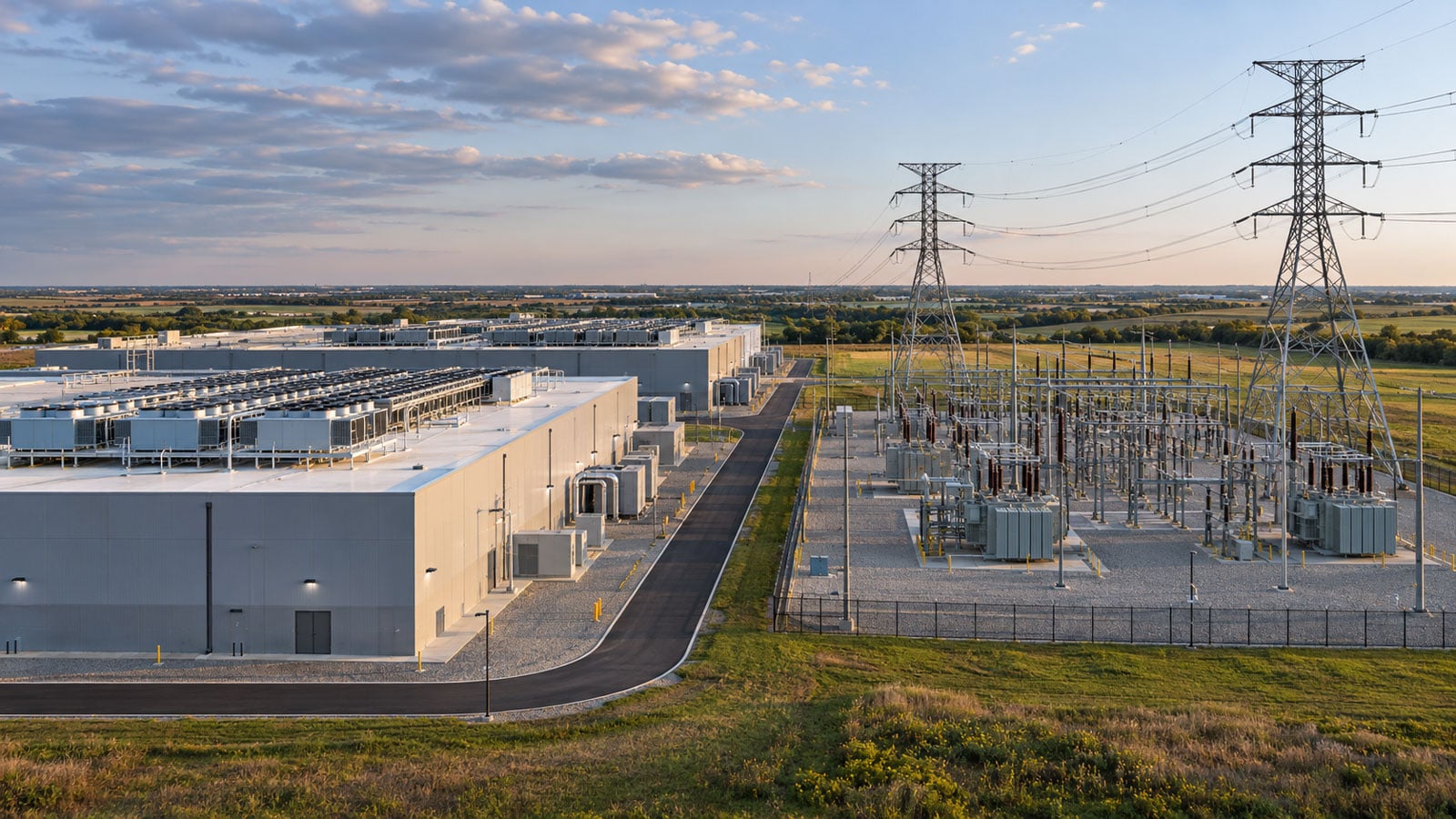
Data centers are driving a surge in U.S. power grid spending, and a new Cornell study finds that households are covering most of the bill. In research published Nov. 9 in Nature Energy, data centers paid 38% of the infrastructure costs linked to their growth in 2025, or $3.12 billion of an $8.25 billion total, according to the Cornell Chronicle. The remaining $5.13 billion was allocated to other electricity customers, with households bearing a substantial share.
The study examined four major U.S. electricity grids serving areas including northern Virginia, the Dallas–Fort Worth region, the Midwest, and California's southern San Francisco Bay Area. The researchers analyzed about 4,000 existing and proposed data centers. Nationwide, data centers are projected to consume up to 17% of U.S. electricity by 2030, with as much as 80% of that attributed to AI.
The researchers found that lower-income and rural households were disproportionately affected. The share of rural households spending more than 6% of their income on energy rose 76% more than the corresponding share of urban households. That's especially notable because the authors cite a national survey finding that rural residents are less likely than urban residents to use AI tools like ChatGPT.
Part of the problem is how utilities split the cost of new infrastructure: the allocation is often based on past energy consumption. A data center that hasn’t been built yet has no consumption history, so existing customers absorb the upgrades. “It’s kind of a chicken-and-egg problem,” said Fengqi You, the Cornell professor who led the study.
The researchers found that data center growth drove wholesale electricity prices up by roughly 10% or more by 2025 in the most affected regions. Virginia saw a 15% jump and California’s southern Bay Area 20%. Residents of New York and New England, where data center construction has been limited, have not seen clear price increases from data center expansion. Those increases don't translate directly into equivalent increases in household electricity bills, which also include transmission, distribution, and other costs.
Where you live doesn’t always determine whether you pay. Residents of New Jersey, Pennsylvania, and Ohio help fund grid upgrades linked to data center growth in Virginia, the researchers said, because cost-sharing rules reach across state lines.
The researchers also examined economic benefits, estimating that each gigawatt of data center capacity could support about 15,000 jobs across the economy, including an average of 2,700 directly associated with data centers. But development incentives created by states paid off unevenly: California returned $180 in worker income for every dollar spent, while Virginia returned $2.
The researchers found that data centers could also reduce the need for costly grid upgrades by cutting electricity use during just 22 hours of peak demand each year. Companies operating facilities in multiple regions could potentially shift computing workloads between locations during those periods, reducing pressure on local power grids.
Six states have recently set special terms for very large energy consumers, and in March, Amazon, Google, Meta, Microsoft, OpenAI, Oracle, and xAI signed the White House Ratepayer Protection Pledge, a voluntary commitment to cover the costs of new power generation and grid upgrades needed for their data centers.

