

Image credit: Suzanne Kantra/Techlicious generated by ChatGPT
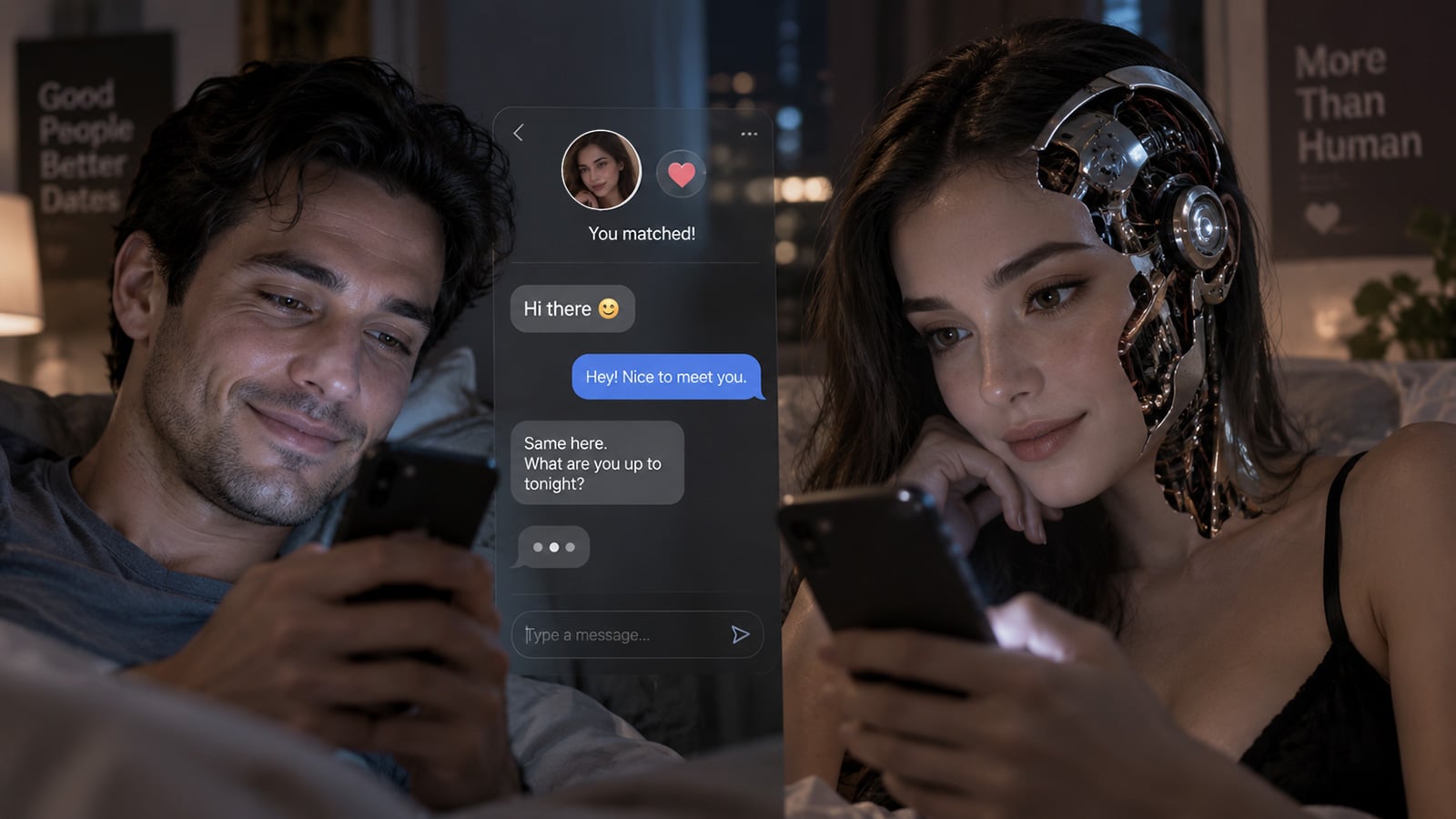
Anthropic, the company behind the Claude AI chatbot, says its technology was misused to run a network of fake dating apps. Over 20 apps used AI-generated personas to pose as real matches, and the scheme fooled at least 25,000 people, according to Anthropic's threat intelligence report.
If you swiped through a dating app lately, there's a chance you were chatting with a bot instead of a person. Anthropic found that in the apps it investigated, 75% of the profiles showing up in user feeds were generated by AI, which the apps did not disclose. The named dating apps include Dora, Doni, Romi, Luma, Jovia, Kira, Gracechat, Haven, Nalo, and Lovia, along with additional variants Anthropic only identified by internal numeric IDs.
Anthropic says that a China-based app studio built the scheme using roughly three AI personas for every one human gig worker. Claude handled the ongoing texting around the clock, while the human workers stepped in only for video calls and social media follow-backs the AI couldn't fake convincingly on its own. In just that two-week stretch, the bots exchanged 2.36 million messages with real users.
The apps went further to sell the illusion, including fake profile visitors, phony "likes," and pre-recorded video clips whenever no human was available, according to Anthropic. Developers also built the apps to show reviewers a clean, compliant version during Apple and Google's app store checks, then activate the deceptive features once approved.
Users paid for the privilege of talking to these bots. Messaging and matching ran on a metered quota, and refills had to be purchased with in-app coins. Anthropic also flagged troubling cases where its AI recognized that users had disclosed a serious illness or acute personal distress, yet kept responding in character as a romantic match instead of breaking off the conversation.
Anthropic said it banned the accounts and organizations behind the operation and shared its findings with Apple, Google, and other AI companies whose tools were also used in the scheme.
Whether perpetrated by AI or a real human, romance scams are nothing new. If a match on a dating app seems unusually available, endlessly enthusiastic, or reluctant to video chat or meet in person, treat that as a warning sign. Skip the urge to buy coins or credits to "unlock" a conversation with someone you haven't verified is real, and report suspicious profiles to both the app and the app store where you downloaded it. Antivirus protection on your phone can also flag malicious apps that sneak past checks in official app stores.
Read next: Meta wants you to trust Muse, its new AI agent and personal shopper

