

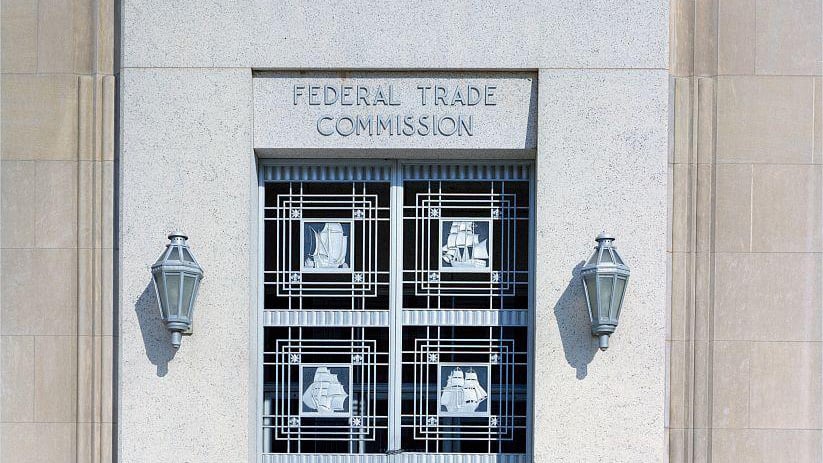
Image credit: U.S. General Services Administration
The Federal Trade Commission is asking the public to weigh in on whether social media platforms, search engines, and online marketplaces should be held responsible when scammers use their ad systems to impersonate real businesses and government agencies. If you've ever clicked what looked like an ad from your bank, the IRS, or a well known retailer only to land on a fake site, this move could change how those ads get screened before they ever reach your feed.
The FTC says it received more than 1 million reports of impersonation scams in 2025, with consumers losing nearly $3.5 billion. Almost a third of those victims said they were first contacted through social media, accounting for $2.1 billion of the total losses.
The agency's proposal questions whether the ad-targeting tools platforms sell – the tools that help a business reach potential customers – are also helping scammers reach victims regardless of whether the advertiser is who it claims to be.
"Today’s impersonation scams are no longer the work of isolated con artists; they are sophisticated, highly engineered operations powered by the same advertising and targeting tools that platforms sell to legitimate businesses." Christopher Mufarrige, director of the FTC's Bureau of Consumer Protection, said in the announcement.
The rule the FTC is looking to update is the Trade Regulation Rule on Impersonation of Government and Businesses, in effect since April 2024. It already allows the FTC to seek civil penalties and refunds for consumers in federal court when someone poses as a company or government agency. The commission's new questions ask whether platforms are already violating that rule when their ad-optimization tools help scammers pose as legitimate businesses or agencies, and what additional screening those platforms should be required to do. Commissioners voted 2-0 to move forward with the request.
The public comment period opens once the notice is formally published in the Federal Register and will run for 60 days, with submissions accepted through regulations.gov. Until any new rule takes effect, your own judgment is still the best defense: check where a sponsored ad's link leads before you click, and go directly to a company's official site or app instead.

