

Image credit: Apple
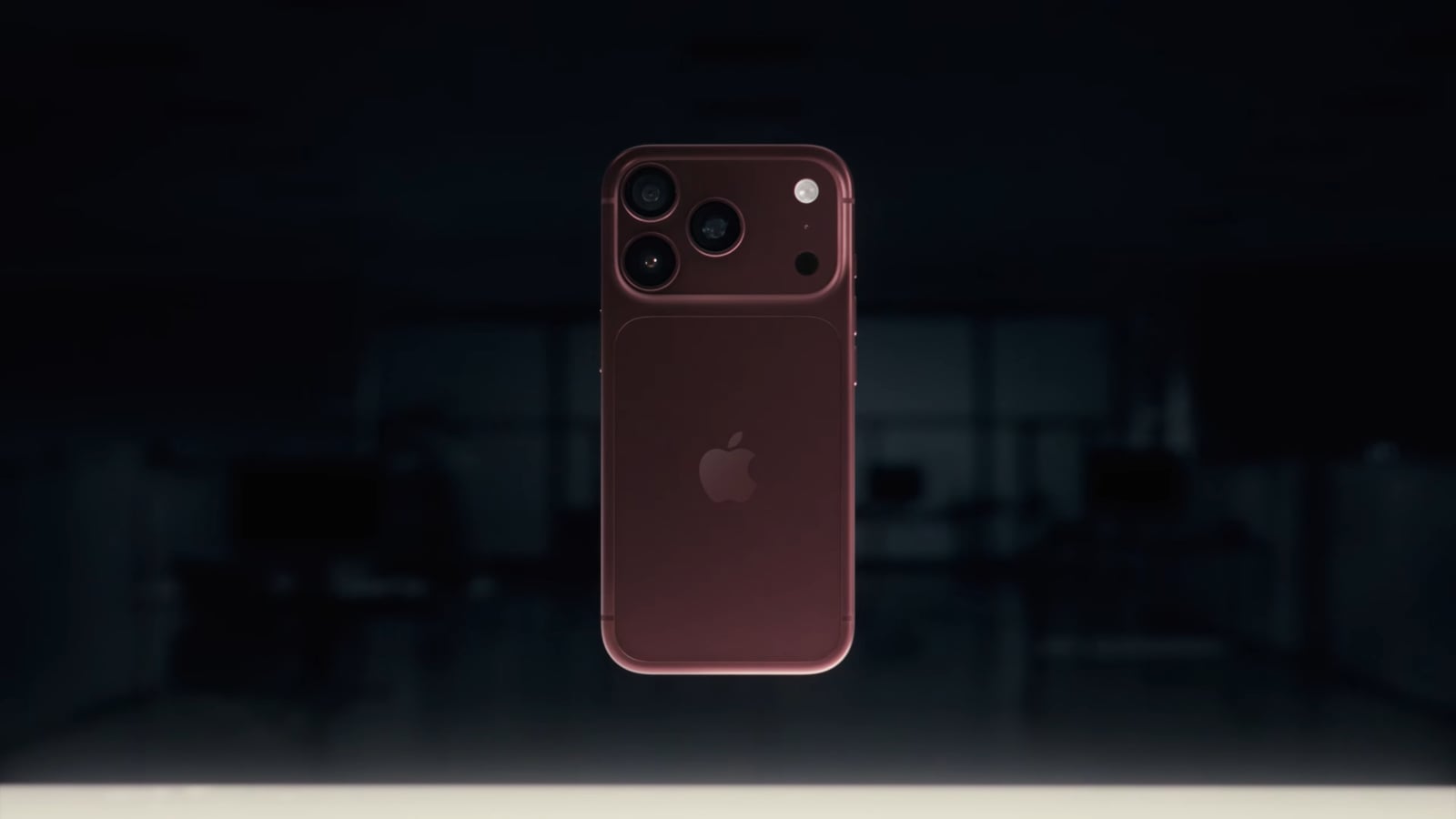
Apple has announced the iPhone 18 Pro and iPhone 18 Pro Max. The biggest change is a main camera that can physically open and close its aperture, and the other big change is the price, which is going up by $100 on both models. The iPhone 18 Pro starts at $1,199 and the Pro Max at $1,299, both with 256GB of storage. Pre-orders open Saturday, September 12, with the phones shipping Friday, September 18. Apple didn't announce a standard iPhone 18 alongside them, so if you want a new iPhone this fall, you're looking at paying the big bucks.
What the variable aperture does
The 48MP main camera now has six blades that open and close to control how much light reaches the sensor, the way the lens on a proper camera does. You get four settings, and Apple has named three of them: f/1.48 for low light, f/1.8 for portraits, and f/4 to keep a whole group of people in focus. The phone will pick one for you automatically, or you can set it yourself in the new Pro controls in the Camera app.
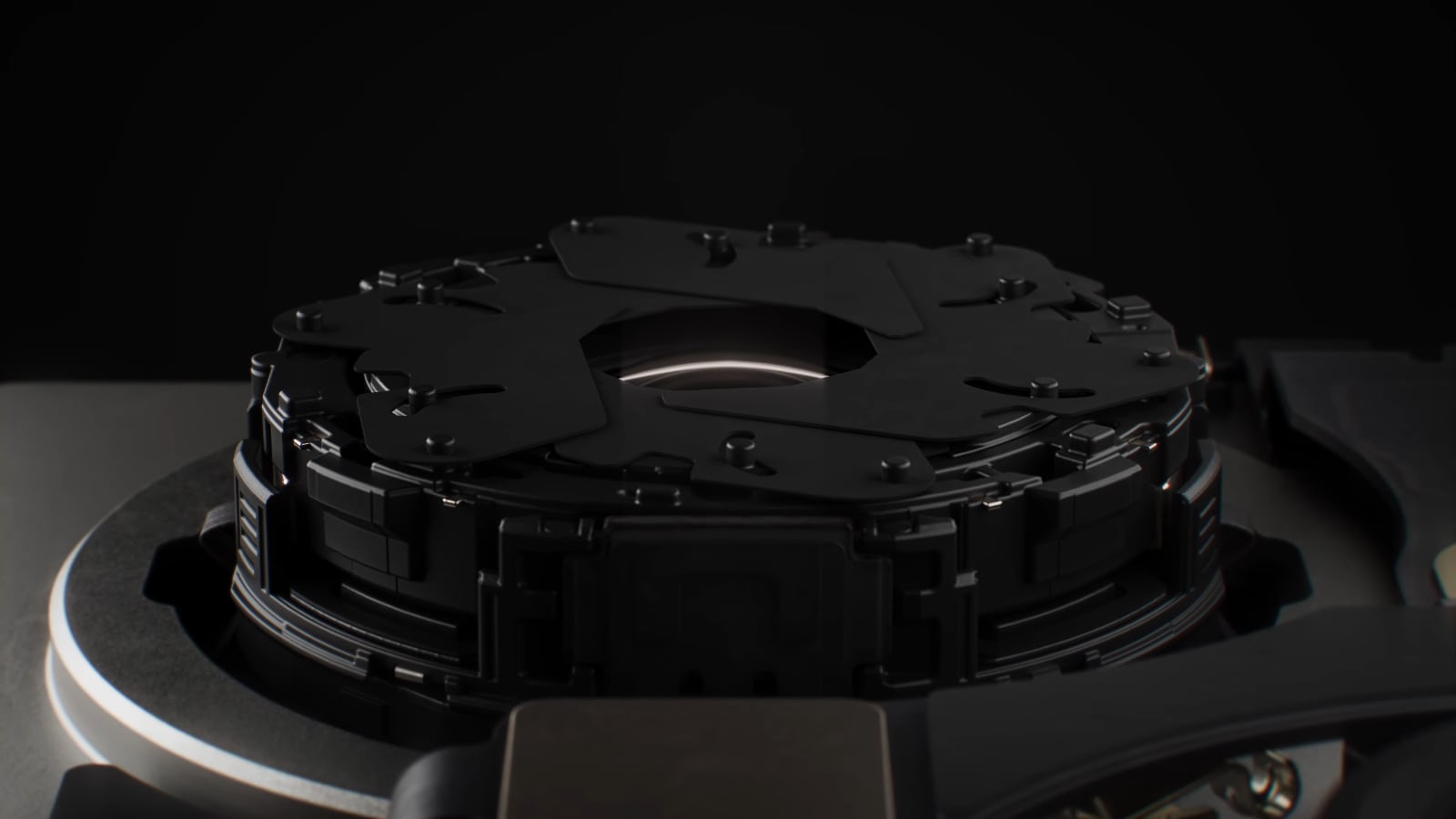
Image credit: Apple
This isn't a first for phones. Samsung's Galaxy S9 had a two-position aperture back in 2018, which Techlicious tested at the time. Apple's version has four positions and a new sensor behind it, so I'd expect it to be more useful. I care more about Night mode than anything else here. I've been getting annoyed at how long my 17 Pro takes to grab a night shot sometimes, and a lens that can open wider should mean shorter exposures and fewer blurry photos. Apple is aiming this at the pros, and the Pro phones are getting more pro this year. Even so, I think regular users will notice the difference too, probably more than anything else on the spec sheet.
Is the iPhone 18 Pro worth the extra $100?
The price hike is unfortunate. This is still a lot of phone for the money, though. The Dynamic Island is smaller this year and can show three Live Activities at once, which should be handy if you're tracking a flight and a food order at the same time. Storage now goes up to 2TB, which is great if you shoot a lot of video. The telephoto and ultra wide cameras seem to have stayed the same from the 17 Pro.
I'm not sure I'd wholeheartedly recommend the 18 Pro, though. You should be able to get the leftover 17 Pro models for a while, and I think getting one makes more sense than getting the 18 Pro for most people. If you're on an iPhone 15 Pro or anything older, the 18 Pro is a big jump and you should go for it. If you have a 17 Pro, I don't see a reason to upgrade. I have one, and I feel no urge, for any reason that isn't the new burgundy color, which is gorgeous.
Furthermore, the iPhone 17 has received a silent price hike of $100. It now starts at $899, up from $799. Given this hike, the 17 Pro, if you can find one at the old price, makes even more sense.
Battery and charging
Apple claims up to 36 hours of video playback on the 18 Pro and 45 hours on the Pro Max, up from 39 hours on last year's Pro Max model. I'd expect the real-world figure to be lower, as always, but the jump over last year is a good sign, especially on the Pro Max.
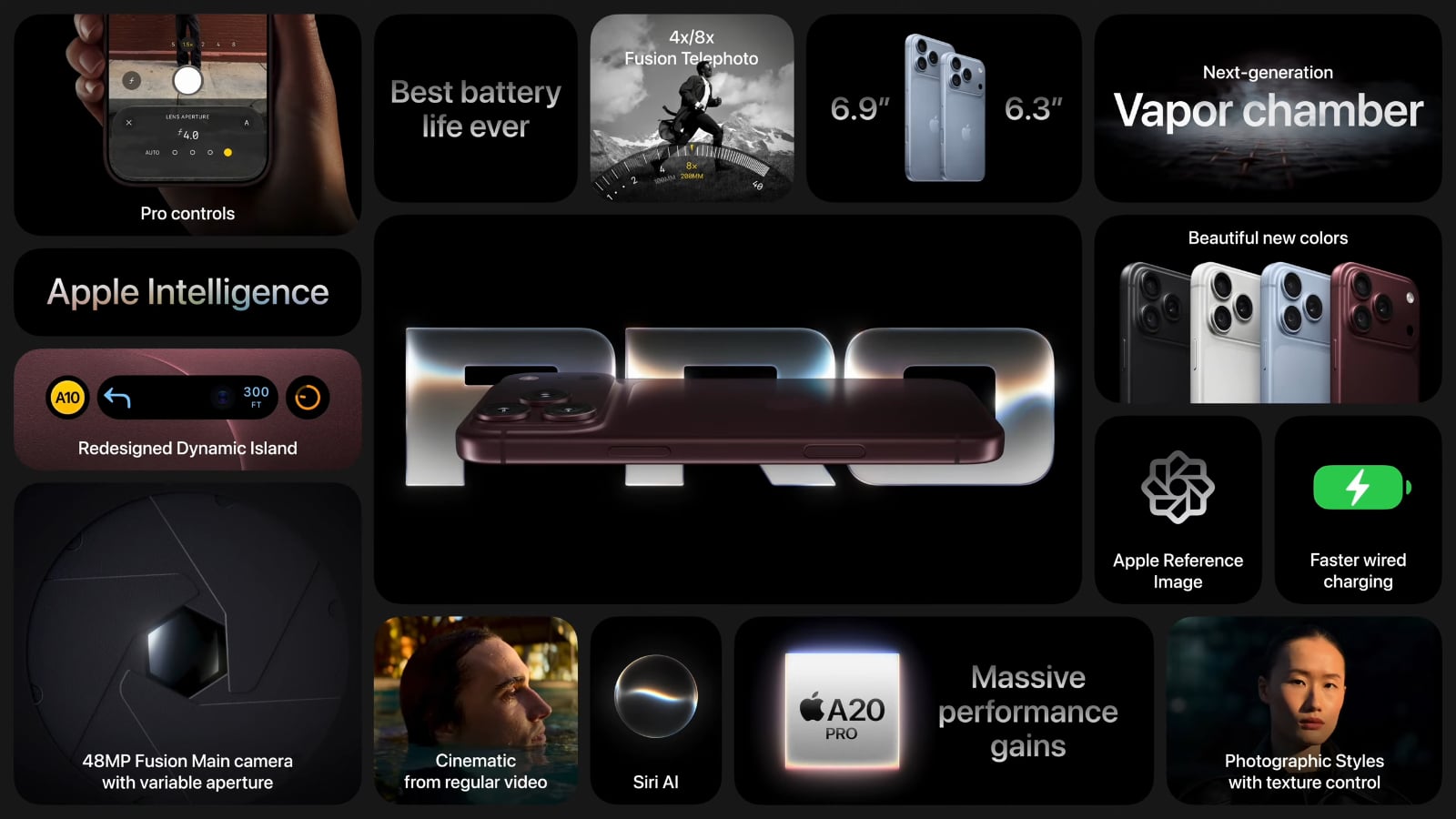
Image credit: Apple
Charging is the improvement I'm happiest about. Apple says you can get to 50 percent in around 15 minutes with a cable, or in 30 minutes on a MagSafe charger. The wired speed needs a 60W adapter, which Apple sells separately. You'd do well to buy one, though I'd expect third-party adapters to show up soon enough. Oppo has spoiled me with 80W and 100W charging for years now, so I'm glad Apple is finally paying more attention to this spec.
Siri AI is still a beta
The new Siri AI arrives as a beta with iOS 27 on September 14, in English only at first. I put the beta through its paces over the summer. My take hasn't changed since. It's a clear step up from the old Siri, but a lot of it is shallow right now. I expect it'll get better with time. Even so, you shouldn't buy any phone for its AI features, since they're a work in progress and won't be perfect for a while.

