

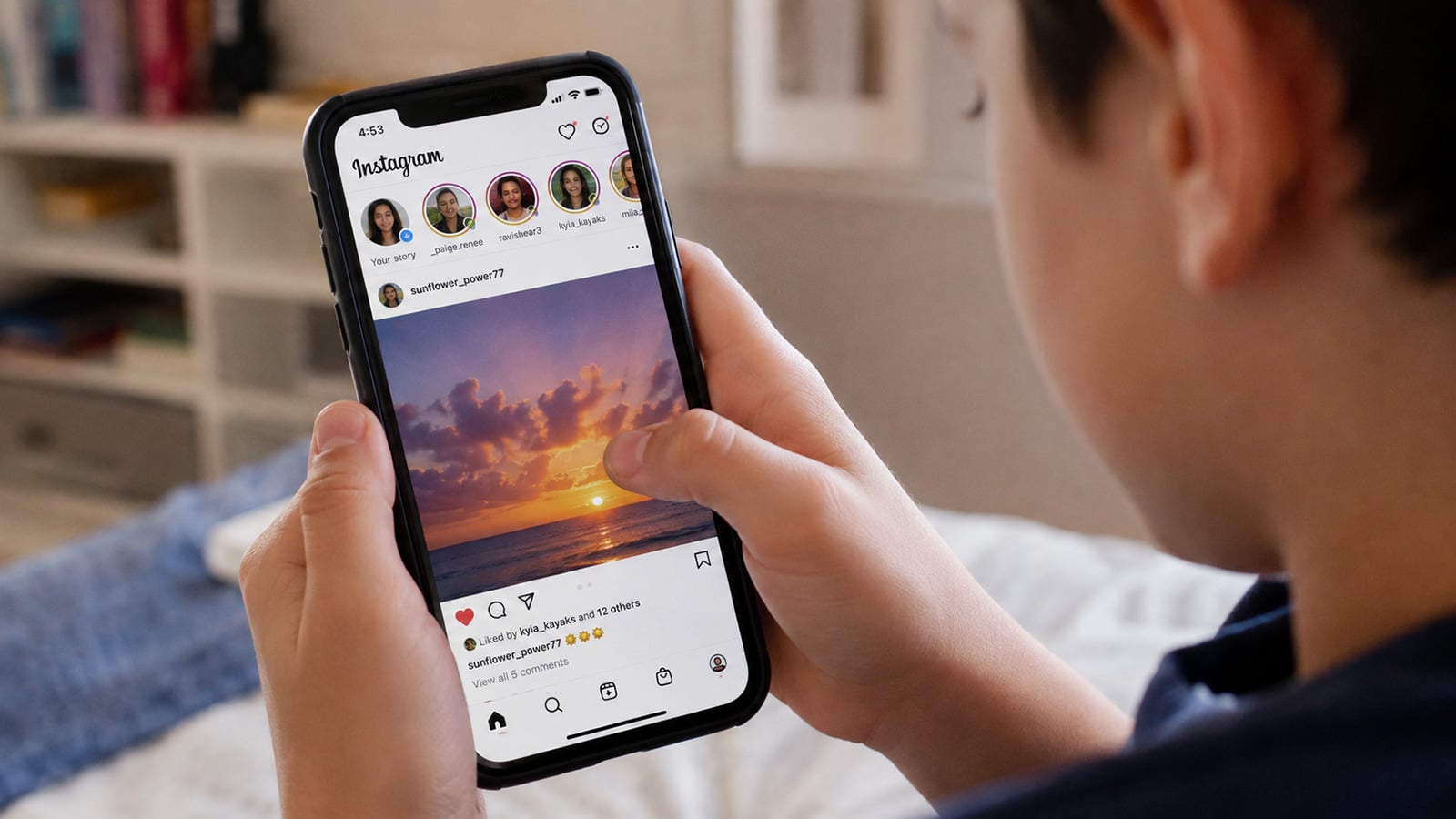
Image credit: Suzanne Kantra/Techlicious generated by ChatGPT
Today, Meta announced that is has agreed to pay $17.1 billion and rebuild core parts of how Instagram and Facebook work for teenagers, settling a coordinated lawsuit brought by 51 US states and territories over claims the company built its platforms to be addictive to kids. The District of Columbia, Georgia, and Connecticut each announced the deal in their own releases Wednesday. Georgia Attorney General Chris Carr's office called it the largest Big Tech settlement in US history.
Separately today, Texas announced its own settlement with Meta for more than $1 billion, with similar teen-safety terms. Florida is still pursuing its own lawsuit against Meta and hasn't settled. New Mexico's case already produced a $567 million court order earlier this month.
The states sued Meta over allegations that the company knew from its own internal research that Instagram and Facebook were psychologically harmful to young users and hid that research from the public, while designing features specifically to keep kids scrolling longer. The suit also alleged Meta violated the Children's Online Privacy Protection Act (COPPA) by collecting data on users under 13, as well as unlawfully shared nonpublic Facebook user data with third parties, including Cambridge Analytica, ahead of the 2016 election.
"Meta intentionally exploited kids for profit and then lied about it, claiming its products were safe when its own research confirmed the platforms were addictive and harmful," DC Attorney General Brian Schwalb said in his office's announcement. Connecticut Attorney General William Tong put it more bluntly: "Meta strip-mined the souls of America's children for maximum profit with abusive and addictive features that unleashed a youth mental health catastrophe. That ends now."
If you have a teenager on Instagram or Facebook, this settlement changes how much control you'll have over their account in the months ahead. The settlement requires Meta to build a specific set of new guardrails into both platforms for users under 18:
- A default two-hour daily time limit across both apps that teens can't override without parental permission.
- "Night Mode," blocking access to the main feed from midnight to 6 a.m.
- "School Mode," muting notifications from 8 a.m. to 3 p.m. on school days, with exceptions for direct messages and security alerts.
- A non-algorithmic feed option set as the default, plus the ability to turn off autoplay.
- Like and reaction counts hidden by default.
- Cosmetic-surgery and extreme-makeup filters blocked.
- Private-by-default accounts on Instagram, with private defaults on Facebook too.
- Strengthened age-verification technology to catch underage accounts.
- Expanded parental controls, including alerts about a teen's secondary accounts and suspicious-account activity.
Most terms are required for 10 years and are backed by independent compliance audits for five years. Meta didn't provide dates for when each restriction will take effect. Connecticut's attorney general describes the rollout happening "over the next year," with some measures arriving sooner than others.
Meta's announcement urges its rivals to match these changes: "All platforms should empower parents and support teens by putting the same measures in place," the company said, calling on "TikTok and YouTube to join us and state attorneys general in adopting this new standard." Meta also disclosed it had already booked roughly $10 billion in legal expense tied to the case in its third-quarter 2026 results.
If you're a parent, check your teen's existing Instagram and Facebook parental controls now, found in each app's Family Center settings, since many of today's options already cover ground the settlement's new requirements won't reach for months.

