

Image credit: Anker/Techlicious
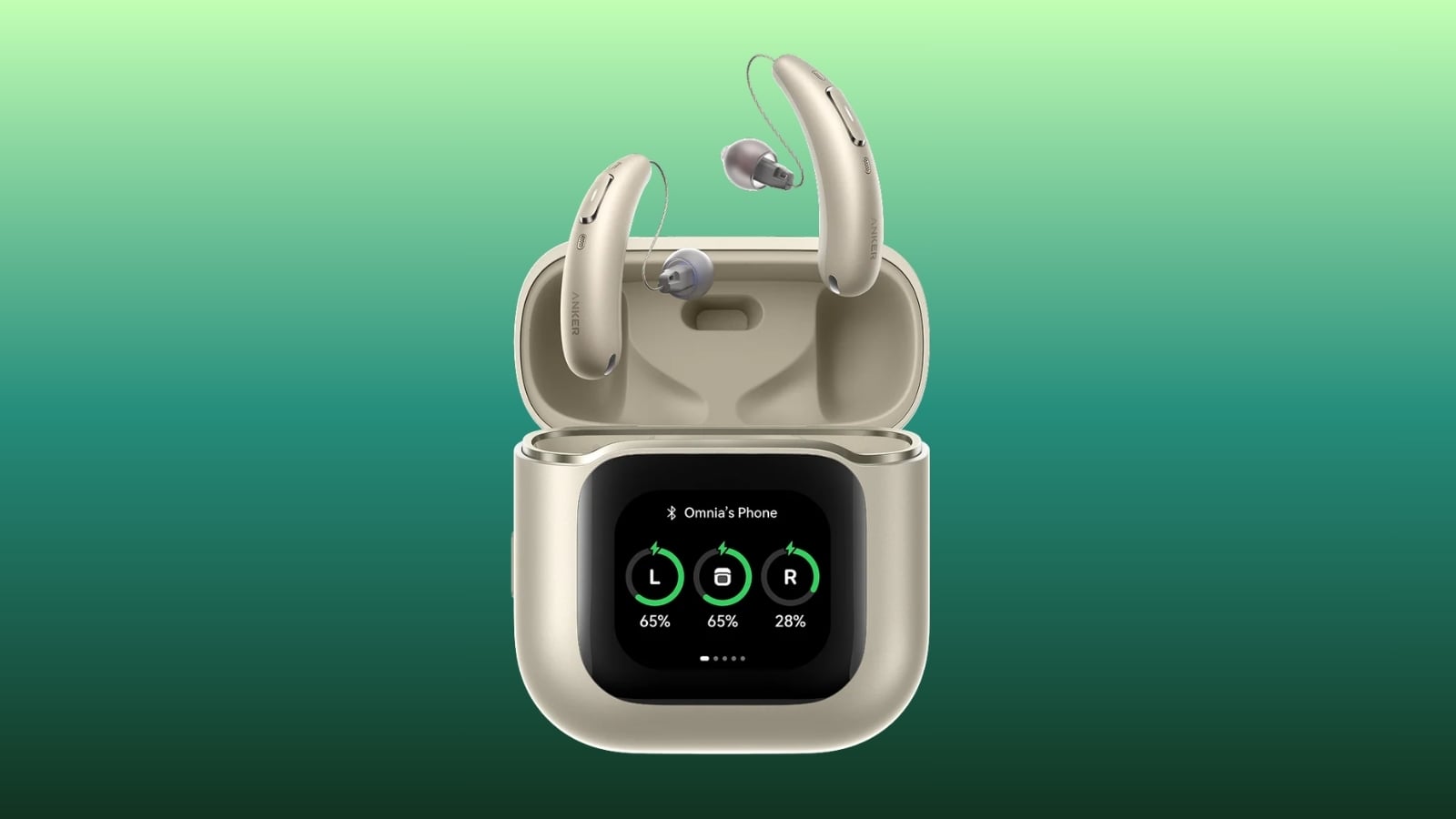
Anker has announced its first hearing aids at IFA 2026 in Berlin. The Anker RIC Hearing Aids are an over-the-counter model for adults with perceived mild to moderate hearing loss, and the company is aiming for a US launch in the first quarter of 2027. There's no price revealed as of yet.
You've been able to buy hearing aids without a prescription or an audiologist visit since 2022, when the over-the-counter category opened up. RIC stands for receiver-in-canal, the design most people picture when they think of a hearing aid: a small unit behind the ear with a thin wire running to a speaker in your ear canal. Anker usually sells charging bricks and earbuds and also has an established audio lineup, Soundcore. So although this is an audio-adjacent device, health tech is a new lane for the company, but a very interesting and promising one.
Read More: Samsung's Galaxy Buds can now double as hearing aids. Here's the catch
What Anker's hearing aids promise
Anker says the aids will handle the situation every hearing aid user seems to have an issue with: picking out voices in a loud room. Its Thus AI chip works with four microphones to lock onto the voice you're listening to and turn down everything else, and the company claims that you will get up to 90% speech intelligibility in restaurants, parties, and meeting rooms. That figure doesn't seem to have any test details yet, but if validated, that's a pretty good result. The chip itself debuted in Anker's Liberty 5 Pro earbuds earlier this year, so its voice processing has already shipped in a real product.
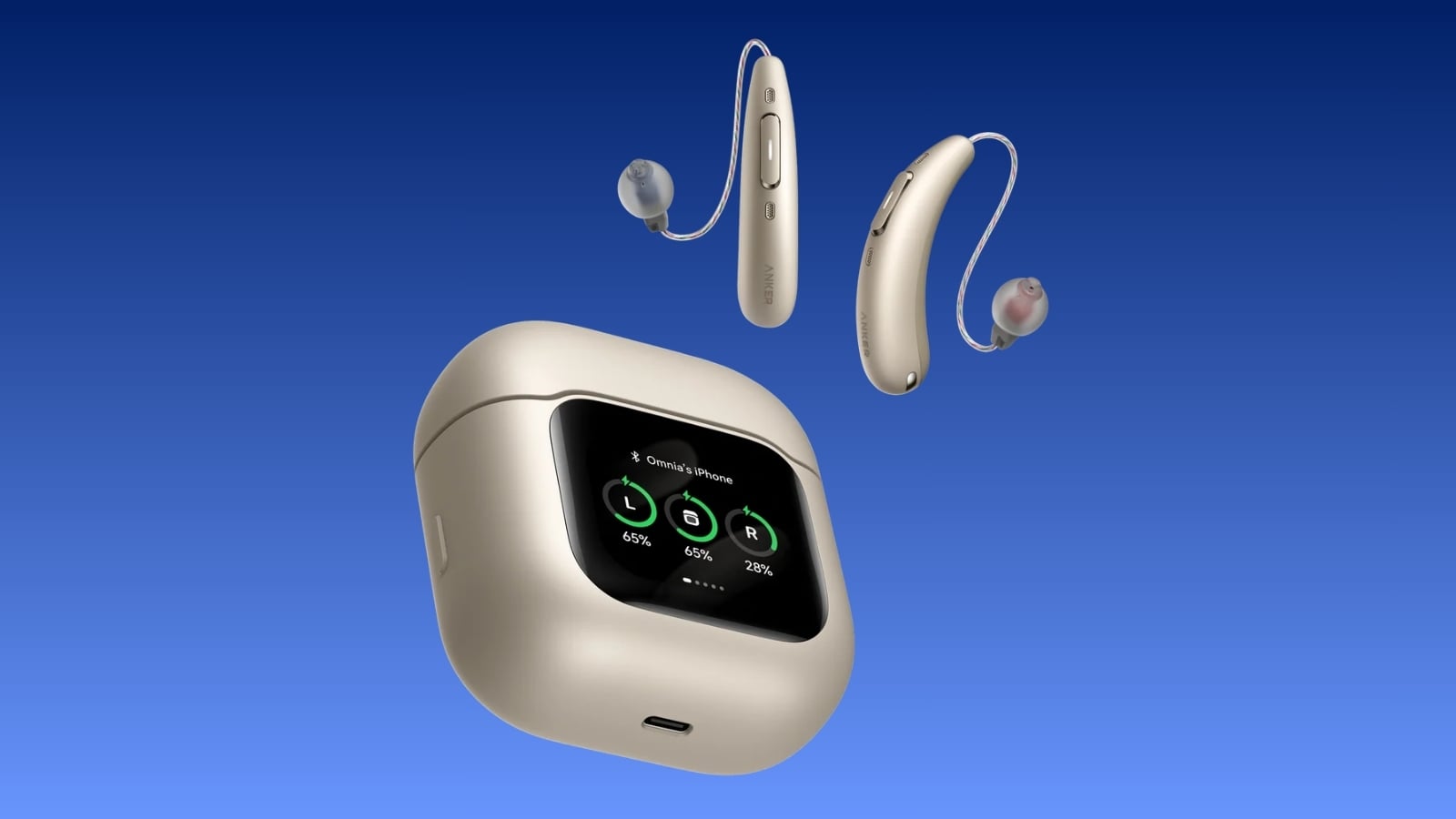
Image credit: Anker/Techlicious
You'll be able to set up these hearing aids yourself. They come with a built-in hearing test that tunes the aids to your ears, with no clinic visit or fitting fees needed. The charging case has a screen that shows battery and the current listening mode, and the aids have physical buttons rather than touch controls. Anker says you will get up to 12 hours per charge and 36 hours with the case, and a five-minute fast charge will give you two hours of use.
How they compare to AirPods and other OTC options
Anker is walking into a market that some brands have been walking out of. Sony shut down its OTC hearing aid line earlier this year, and its models are no longer sold on its site. Lexie's parent company announced in July that it will wind down its US business too, taking the Eargo and Go Hearing brands with it. Apple went the other way and turned the AirPods Pro into hearing aids with a software update.
In our review of the AirPods Pro 3 as hearing aids, we found the idea works but the compromises are too pronounced to ignore. They gave about eight hours of battery against the all-day life you'll get from standard hearing aids, and your own voice sounds odd through the closed earbud design. Anker is going with a proper hearing aid shape rather than an earbud pretending to be one, which should avoid both of those problems. We will have to test that.
Should you wait for Anker's hearing aids?
Anker has been a bit of a homerun hitter these past few years, and I'd bet on the company to get this right. This device seems to cover the two issues most people have with hearing aids, which is the clinic visits and the fiddly devices. The brand is already well known, so whether this one does well will mostly come down to the actual real-life performance and price. Early 2027 is also a long wait from now when you can buy a decent OTC pair today. For example, our pick for the best budget hearing aids, the Elehear Delight, is currently under $300. If your hearing is the reason you've been avoiding noise environments like restaurants, however, you should keep an eye on this one while you consider what's already out there.

