

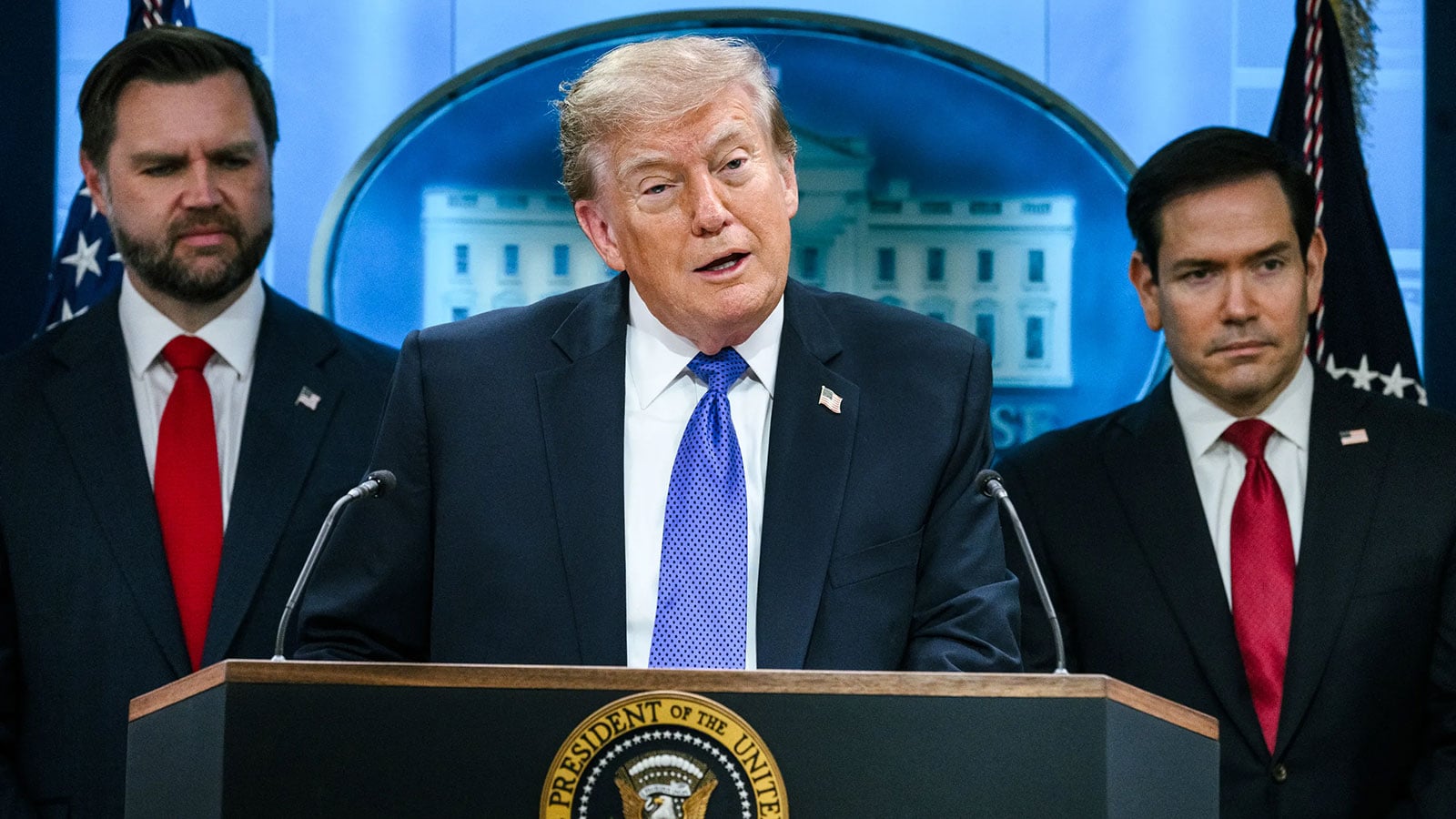
President Donald J. Trump holds a press conference alongside VP JD Vance and Secretary of State Marco Rubio in the Press Briefing Room, November 20, 2026.
Image credit: Official White House Photo
Gaming consoles, wireless earbuds, and laptops could get more expensive in 2027. If you're planning to buy any of these products in the next six months, I'd take advantage of this year's Black Friday deals. Between the prospect of new tariffs and rising component costs, these may be the lowest prices we see for quite some time.
The Trump administration on Wednesday proposed tariffs on 14 trading partners, including rates of up to 20% on most goods from China, 35% on Vietnam, and 25% on India. The administration argues that government policies in these countries are artificially boosting manufacturing and creating unfair competition for American businesses.
A Techlicious review of the proposed tariffs found that many smartphones, laptops, and TVs could escape the new import taxes thanks to shifts in manufacturing. Gaming consoles, headphones, and other popular electronics aren't as well protected. And even products that qualify for tariff exemptions could get more expensive as manufacturers grapple with rising memory chip costs.
Here's which electronics are most vulnerable to price increases in 2027.
Gaming consoles could face steep tariffs
Nintendo, Sony, and Microsoft have shifted some of their console manufacturing from China to Vietnam in recent years. According to USTR's investigation into Vietnam, the country has become a major manufacturing hub for the Nintendo Switch 2, PlayStation 5, and Xbox.
Unfortunately for gamers, consoles made in Vietnam could face tariffs of up to 35%, even higher than the 20% proposed for consoles made in China.
All three major console makers have already raised U.S. prices this year. Sony and Microsoft increased prices by $100 or more on some consoles, and in September, Nintendo raised the price of the Switch 2 from $449.99 to $499.99.
Gaming consoles traditionally get cheaper as they age. Between rising memory chip costs and the prospect of new tariffs, that trend could continue to reverse in 2027.
Headphones, earbuds, and speakers are vulnerable
China and Vietnam are also major manufacturing hubs for personal audio products. Wireless earbuds, headphones, and Bluetooth speakers made in these countries don't qualify for the same proposed tariff breaks as smartphones and laptops.
Apple is a good example of how differently the tariffs could affect products from the same company. During its May 2025 earnings call, CEO Tim Cook said he expected nearly all AirPods sold in the U.S. that quarter to come from Vietnam.
While iPhones made in India would be exempt from the proposed tariffs, AirPods made in Vietnam could face tariffs of up to 35%.
Read more: 9 of our favorite open-ear headphones are up to 50% off
Smartphones could largely escape the new tariffs
Apple and Samsung are relatively well positioned to weather this round of tariffs. Smartphones made in India, Vietnam, and South Korea would be exempt, while those made in China would face a reduced tariff rate of up to 10%.
According to market research firm Omdia, Apple was already sourcing more than three-quarters of its U.S.-bound iPhones from India by the middle of 2025. Samsung has extensive smartphone manufacturing operations in Vietnam.
However, budget smartphone shoppers may be less fortunate. Rising memory costs are already squeezing manufacturers of inexpensive Android phones, according to Counterpoint Research. That could mean higher prices, fewer affordable models, or less memory and storage for your money.
Laptops could get more expensive anyway
Many computer manufacturers have moved production outside China, and laptops made in India, Vietnam, Thailand, Taiwan, and Malaysia would be exempt from the proposed tariffs. Those made in China would face a reduced rate of up to 10%.
The bigger threat to laptop prices is the growing demand for memory chips from the AI industry. Memory manufacturers are prioritizing production of chips used in AI data centers, putting pressure on the supply of memory available for personal computers.
Market research firms TrendForce and IDC expect supply pressures to continue in 2027. Even if your next laptop is exempt from the new tariffs, you could end up paying more for it or getting less memory and storage for the same price.
Read more: The best laptops to give as gifts this holiday season
TVs may be better protected
TV manufacturers' reliance on Mexican factories could help keep prices in check. According to research published by Omdia in March 2026, approximately 85% of TVs destined for the U.S. market were being manufactured in Mexico.
Although Mexico was part of the original trade investigation, it isn't included in this round of proposed tariffs. That gives much of the TV industry an advantage over other consumer electronics manufacturers.
Of course, that could change if the administration subsequently proposes tariffs on Mexican imports.
Read more: 9 of our favorite 65-inch TVs hit their lowest prices ever
How much more could you pay?
A 20% tariff doesn't automatically mean a $500 gaming console will cost $600. Tariffs are paid by U.S. importers and are generally calculated on the import value of a product rather than its retail price. The proposed rates also take some existing tariffs into account, according to trade lawyers at Baker McKenzie.
Manufacturers and retailers may absorb some of the additional costs, raise prices, or offer fewer discounts. So even if the sticker price of your favorite gadget doesn't go up, you might find it harder to get a good deal next year.
When could electronics prices start rising?
The proposed tariffs could take effect in early 2027. USTR is accepting public comments through Jan. 5, with hearings scheduled to begin Jan. 25. Both the tariff rates and product exemptions are subject to change, and trade negotiations could result in lower rates for some countries.
Price increases may also happen gradually as retailers sell through existing inventory. Research from the Federal Reserve Bank of New York shows how the costs of the 2025 tariffs filtered through to retail prices over time.
Should you buy electronics now or wait?
I'd prioritize buying gaming consoles, laptops, and personal audio products if you're already planning an upgrade. These products face some of the greatest pricing pressures heading into 2027.
There's less urgency if you're shopping for a premium smartphone or TV, given how much of their production takes place in countries where they would escape the proposed tariffs. And with so much still subject to change, I wouldn't replace a perfectly good device simply to get ahead of potential price increases.

